Why Smart Businesses Accept Cryptocurrency Payments Now
Forward-thinking business owners are recognizing the significant competitive advantages of accepting cryptocurrency payments. These advantages go beyond attracting tech-savvy customers; they represent a fundamental shift in business operations and customer interaction, opening doors to new markets and streamlining existing processes.
Expanding Your Customer Base
One compelling reason to accept cryptocurrency is access to a growing global market of individuals actively seeking crypto-friendly businesses. This isn't a niche group anymore. In 2024, over 560 million cryptocurrency users represent approximately 6.8% of the global population. Find more detailed statistics here This substantial and expanding market is ready to spend their digital assets. Furthermore, accepting cryptocurrency opens your business to international customers who might face barriers with traditional banking, broadening your reach and revenue potential.
Reducing Transaction Fees
Traditional payment processors often impose significant fees that impact profit margins, especially for small businesses. Cryptocurrency transactions typically involve significantly lower fees compared to credit card processing, allowing businesses to retain more revenue and boost profitability. These savings can be reinvested in marketing or product development. This fee difference is even more pronounced with international transactions, where traditional banking fees can be high.
Building a Forward-Thinking Brand
Brand image is crucial in today's competitive market. Accepting cryptocurrency positions your business as innovative and forward-thinking, attracting customers who value cutting-edge technology and align with the principles of decentralization and financial freedom often associated with cryptocurrencies. This modern approach differentiates your business from competitors relying solely on traditional methods. Imagine two coffee shops: one accepts only cash and cards, the other embraces cryptocurrency. The latter projects a more modern image, attracting a different type of customer.
Real-World Benefits: Case Studies and Insights
The benefits of accepting cryptocurrency are not just theoretical. Real-world case studies demonstrate faster international payments, fewer chargebacks, and improved customer satisfaction. These studies highlight the practical advantages and offer valuable insights into customer behavior. For example, businesses are finding that crypto users tend to have higher average transaction values and are more likely to become repeat customers. This information can inform your business strategy and help you tailor your approach to this valuable customer segment.
Understanding Your Crypto-Ready Customer Base

Who is the typical customer ready to embrace cryptocurrency payments? Understanding their motivations and behaviors is crucial for successfully integrating and promoting this payment option. It's not just about catering to tech enthusiasts; it's about recognizing a growing and diverse group of consumers looking for alternative payment solutions. These customers are motivated by a variety of factors, including convenience, security, and increased financial control. For businesses, accepting cryptocurrency can lead to greater customer loyalty and increased sales.
Demographics and Spending Habits
The crypto-ready customer base is more diverse than you might expect. While early adopters were often tech-savvy millennials, cryptocurrency ownership is expanding across various demographics and age groups. For instance, in the United States, cryptocurrency ownership has almost doubled in the three years since the end of 2021. By 2025, approximately 28% of American adults—around 65 million people—owned cryptocurrencies. Explore this topic further. Their spending habits often differ from those of traditional consumers. They tend to have higher average transaction values and are more likely to make repeat purchases, particularly when offered exclusive crypto payment deals or rewards.
Regional Variations and Currency Preferences
Cryptocurrency adoption rates vary significantly by region. Some areas, especially tech hubs and countries with limited access to traditional banking or unstable currencies, are experiencing faster adoption. Understanding regional market dynamics is essential when developing your crypto payment strategy. Consumer preferences also differ between cryptocurrencies. Some customers value the stability of Bitcoin, while others prefer the lower fees and faster transaction speeds of altcoins. Understanding these nuances is key to catering to different segments of the crypto market.
Motivations and Decision Factors
What motivates a customer to choose cryptocurrency over traditional payment methods? Several key factors influence this decision:
- Speed and Convenience: Crypto transactions often provide faster processing, particularly for international payments.
- Lower Fees: Cryptocurrency transactions can avoid the high fees often associated with international bank transfers and credit card processing.
- Security and Privacy: Cryptocurrency's decentralized nature offers increased security and greater control over personal financial information.
- Exclusive Deals and Rewards: Offering special promotions for crypto payments can encourage adoption and build customer loyalty.
Seasonal Spending and Payment Amounts
Cryptocurrency payments, much like traditional spending, can follow seasonal patterns. Identifying these trends can help you refine your marketing and sales strategies. For example, you might observe higher crypto spending during holidays or special promotions. Understanding preferred payment amounts can also inform your pricing. Some customers might favor smaller, more frequent crypto transactions, while others prefer larger purchases. Analyzing this data allows you to optimize your checkout process and provide a seamless experience for your crypto-ready customers. Accepting cryptocurrency payments through platforms like Flash allows businesses to access this growing market and provides a significant competitive edge.
Exploring Global Opportunities Beyond Traditional Markets
While established markets like North America show steady growth in cryptocurrency adoption, the most exciting expansion is happening in areas often overlooked. This section reveals emerging market opportunities that can significantly expand your business reach when you accept cryptocurrency payments. We'll explore the factors driving rapid crypto adoption in these areas, including limitations in traditional banking, volatile currencies, and regulatory environments that make cryptocurrency particularly attractive.
Untapped Potential in Emerging Economies
Many developing nations struggle with traditional banking systems. Limited access to financial services, high transaction fees, and slow processing times create obstacles for businesses and consumers. Cryptocurrency presents a practical solution, offering faster, cheaper, and more accessible financial services. This is especially true for international transactions, where cryptocurrency drastically simplifies and speeds up payments, bypassing the complexities of traditional banking.
Currency instability in some regions makes cryptocurrency a more stable store of value and method of exchange. In countries experiencing high inflation or devaluation, cryptocurrency offers protection against economic turmoil. Accepting cryptocurrency payments becomes a strategic advantage for businesses operating in these regions and those wanting to expand into new markets. This allows them to connect with customers seeking stability and financial security in uncertain economic climates.
Furthermore, regulations play a key role in cryptocurrency adoption. Some countries have welcomed cryptocurrency with supportive regulations, encouraging innovation and its use across different industries. This positive environment makes it easier for businesses to integrate cryptocurrency payments and attracts investment in the cryptocurrency space. For instance, El Salvador's adoption of Bitcoin as legal tender in 2021 ignited significant interest and investment in the country’s cryptocurrency infrastructure.
Learning From Success Stories
Businesses already working in these emerging markets offer valuable lessons. By examining their successes and challenges, we can learn how to identify and capitalize on global opportunities while understanding cultural preferences and local payment habits. For example, some businesses have discovered that providing educational resources about cryptocurrency along with their payment options has greatly increased adoption rates. This shows how important it is to teach your customer base about the benefits and convenience of using cryptocurrency.
Notably, while North America leads in transaction volume, grassroots cryptocurrency adoption is growing fastest in other areas, especially lower-middle income countries, as shown by Chainalysis's 2024 Global Crypto Adoption Index. This underscores the importance of looking beyond established markets and seeing the immense potential in developing economies.
Adapting Your Strategy for International Customers
Adjusting your cryptocurrency payment strategy for international customers requires careful thought about local differences. Understanding cultural preferences, language barriers, and local regulations is essential for success. Offering multilingual support for your cryptocurrency payment gateway, for example, can significantly improve the customer experience and encourage wider adoption. Partnering with local payment processors familiar with regional regulations can streamline integration and ensure compliance.
Identifying High-Growth Regions
Figuring out which regions offer the greatest growth potential for your specific industry is vital for maximizing your return on investment with cryptocurrency payments. Platforms like Flash give businesses the necessary tools and resources to find and target these high-growth areas. By analyzing market trends, regulatory changes, and consumer behavior, businesses can pinpoint the most promising regions and customize their cryptocurrency payment strategies accordingly. This targeted approach allows businesses to use their resources effectively and maximize their impact in regions ready for cryptocurrency adoption.
Selecting Your Ideal Cryptocurrency Payment Processor
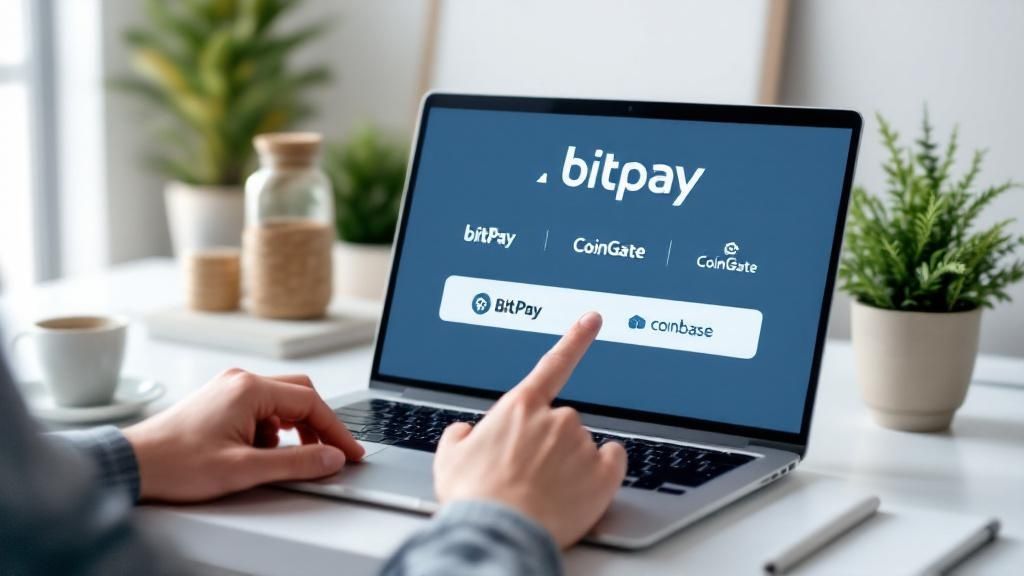
Accepting cryptocurrency payments offers exciting new avenues for your business. However, choosing the right payment processor is vital for a smooth and efficient operation. Your choice affects everything from the fees you pay to how easily customers can make purchases. This guide walks you through the important aspects to consider so you can make an informed decision.
Key Factors to Consider
Not all cryptocurrency payment processors are created equal. Here are some crucial factors to consider when evaluating your options:
Transaction Fees: Most processors charge a percentage per transaction. Some may also have flat fees. Lower fees mean more profit for your business.
Supported Cryptocurrencies: It's important to choose a processor that supports the cryptocurrencies your customers prefer. Offering a variety of options, such as Bitcoin, Ethereum, or stablecoins, can broaden your customer base.
Settlement Options and Speed: How quickly are funds converted to your local currency and deposited into your bank account? Quick settlements improve cash flow and minimize risk.
Customer Support: When issues arise, reliable customer support is essential. Look for processors with responsive and knowledgeable support teams.
Integration Complexity: A complicated integration can lead to delays and higher development costs. Look for user-friendly APIs and comprehensive documentation.
Security Features: Strong security measures protect both your business and your customers. Choose a processor with robust security protocols to prevent fraud and theft.
Popular Cryptocurrency Payment Processors
Several established and emerging processors cater to businesses accepting cryptocurrency payments. Here are a few popular choices:
BitPay: A well-established processor focused on Bitcoin payments.
Coinbase Commerce: Backed by the popular cryptocurrency exchange Coinbase, this processor offers numerous features and supports multiple cryptocurrencies.
CoinGate: A versatile processor supporting a wide range of cryptocurrencies and various integration options.
Flash: This leading Bitcoin payment software connects directly to wallets, enhancing security and decentralization. Flash offers instant payments and minimal fees, with user-friendly tools designed for simple integration.
Comparing Your Options
To help you understand the advantages and disadvantages of each processor, let’s take a look at a side-by-side comparison:
To get a better understanding of each processor’s strengths and weaknesses, consult the following comparison:
Popular Cryptocurrency Payment Processors Comparison
Side-by-side comparison of leading crypto payment processors including fees, supported currencies, settlement options, and key features
| Processor | Transaction Fees | Supported Coins | Settlement Options | Integration Difficulty | Key Features |
|---|---|---|---|---|---|
| BitPay | Varies | Bitcoin, others | Varies | Easy | Invoicing, payment buttons |
| Coinbase Commerce | Varies | Multiple | Varies | Easy | Hosted checkout, integrations with e-commerce platforms |
| CoinGate | Varies | Multiple | Varies | Medium | API, plugins, payment buttons |
| Flash | Minimal | Bitcoin | Instant | Easy | POS app, digital paywalls, recurring billing |
Remember, this table is only a starting point. Thoroughly research each processor to understand their full capabilities and limitations.
Learning From Others
Researching why some businesses chose to switch processors and the difficulties they faced can be incredibly valuable. Common integration issues include API limitations, compatibility problems with existing systems, and unexpected fees.
Negotiating Better Rates
As your cryptocurrency transaction volume grows, you might be able to negotiate lower processing fees with your chosen provider. This can significantly improve your profit margins, so it's always worth exploring.
Choosing the Right Fit
The ideal cryptocurrency payment processor for your business depends on your individual needs and business model. Consider factors like transaction volume, preferred cryptocurrencies, and your technical resources. For example, if you’re a small business with limited technical expertise, a processor offering easy integration and excellent customer support might be a good fit. Larger businesses with high transaction volumes might prioritize lower fees and advanced features. Platforms like Flash provide adaptable solutions to cater to a wide range of business needs. Thorough research and a clear understanding of your requirements will help you choose the processor that aligns with your goals and streamlines your cryptocurrency payment processing.
Your Step-By-Step Implementation Roadmap
Accepting cryptocurrency payments can seem like a big change for your business. However, a well-structured approach can make the entire process much more efficient and easier to manage. This roadmap, built on real-world business experiences, outlines the key phases of implementation, providing clear timelines and resource requirements for each step. This allows for effective planning, efficient resource allocation, and proactive identification of potential challenges.
Phase 1: Technical Setup and Integration
The first phase focuses on selecting and integrating a cryptocurrency payment processor into your existing business systems. This includes ensuring compatibility with your website, mobile app, or point-of-sale system. This stage establishes the core of your crypto payment infrastructure.
- Select a Processor: Research different processors such as Flash, BitPay, and Coinbase Commerce, comparing factors like transaction fees, supported cryptocurrencies, and the ease of integration.
- Integration: Implement the chosen processor's API or plugins, rigorously testing at each stage. With platforms like Flash, the basic setup can be completed in under a minute.
- Compatibility Testing: Confirm seamless operation across different devices and web browsers.
Phase 2: Team Training and Customer Communication
Preparing your team and customers for cryptocurrency payments is essential for a smooth transition. This proactive approach minimizes confusion and generates enthusiasm for the new payment option.
- Staff Training: Equip your team with the knowledge to process crypto transactions, handle customer inquiries, and resolve potential issues effectively.
- Customer Announcements: Clearly communicate the advantages of crypto payments to your customers via email, social media, and website updates.
- FAQ Development: Create a comprehensive FAQ section addressing common questions about using cryptocurrency for purchases.
This upfront investment in preparation yields significant returns. Businesses that implement crypto payments systematically and provide proper staff training experience 73% fewer customer service issues and 45% faster adoption rates than those with less organized approaches. Read the full research here
Phase 3: Accounting and Tax Considerations
Integrating crypto payments into your financial systems requires careful planning. This ensures accurate record-keeping and compliance with relevant tax regulations. It might involve updating your existing accounting software and seeking professional tax advice.
- Accounting System Integration: Update your accounting software to handle cryptocurrency transactions or consider integrating with crypto-specific accounting tools.
- Tax Preparation: Consult a tax advisor to understand the specific tax implications of accepting cryptocurrency payments and ensure compliance.
Phase 4: Testing and Go-Live Procedures
Before officially launching crypto payments, thorough system testing and establishing backup procedures are vital. This ensures a smooth rollout and builds confidence in the new payment system.
- Test Transactions: Conduct comprehensive tests across various cryptocurrencies and transaction amounts to uncover any potential problems.
- Backup Procedures: Develop contingency plans to address technical issues such as internet outages or payment processor downtime.
Phase 5: Post-Launch Monitoring and Optimization
After launch, continuous performance monitoring, customer feedback collection, and optimization are crucial. This ongoing process ensures continuous improvement and maximizes the benefits of accepting cryptocurrency.
- Performance Tracking: Monitor important metrics like transaction volume and customer adoption rates to assess the success of the implementation.
- Customer Feedback: Collect customer feedback to understand their experiences with crypto payments and identify areas for improvement. This could include simplifying instructions or adding more payment options.
- Ongoing Optimization: Continuously refine your strategy based on performance data and customer feedback. This may involve adjusting marketing campaigns, offering promotions, or exploring new integrations.
By following this roadmap, you can confidently implement cryptocurrency payments, tap into the expanding crypto market, and position your business for future growth. This proactive strategy prepares your business for the evolving landscape of commerce. Platforms like Flash can simplify the process considerably with their user-friendly tools and streamlined integration, reducing the technical burden and allowing you to focus on business growth.
Protecting Your Business With Security Best Practices

Accepting cryptocurrency payments offers exciting advantages for businesses. However, it's essential to address the unique security considerations that come with it. Protecting your business and customers requires more than just a reliable payment processor. It demands a proactive approach to security, including robust protocols and a culture of security awareness. This means focusing on best practices for wallet management, private key protection, and transaction monitoring.
Wallet Management and Private Key Security
Think of your cryptocurrency wallet like your physical wallet – it holds your digital assets. But losing access to your crypto wallet can lead to permanent loss of funds, unlike misplacing a physical one. This makes proper wallet management and private key security paramount.
- Choose Secure Wallets: Select reputable wallet providers with a strong security track record. For added security, consider hardware wallets which store your private keys offline, shielding them from online threats.
- Private Key Protection: Your private key is the key to your funds. Never share it with anyone. Store it securely offline. Services like Flash enhance security by enabling wallet-to-wallet transactions, eliminating the need for businesses to store private keys.
- Multi-Signature Wallets: Using multi-signature wallets requires multiple approvals for each transaction. This added layer of security makes unauthorized access and fraudulent activity much harder.
Transaction Monitoring and Fraud Prevention
Monitoring transactions for suspicious activity is crucial. This proactive step helps you identify and prevent cryptocurrency-specific fraud attempts, such as phishing scams and ransomware attacks.
- Real-Time Monitoring: Implement real-time transaction monitoring systems that alert you to any unusual activity. This enables swift action and minimizes potential losses.
- Address Whitelisting: Restrict outgoing transactions to only approved cryptocurrency addresses through address whitelisting. This reduces the risk of sending funds to fraudulent destinations.
- Two-Factor Authentication: Enable two-factor authentication (2FA) on all accounts and transactions. This extra verification layer strengthens security by making unauthorized access more difficult.
Employee Access Controls and Backup Procedures
Controlling employee access to sensitive information and implementing backup procedures for wallet recovery are vital for maintaining control and ensuring business continuity.
- Access Control: Enforce strict access control measures, granting access to cryptocurrency wallets and private keys only to authorized personnel. This minimizes the risk of internal fraud or accidental loss.
- Backup and Recovery: Establish regular backup procedures for your cryptocurrency wallets. This ensures you can recover your funds in case of hardware failure, data loss, or other unexpected events. Consider using multiple backup devices stored in separate secure locations.
Insurance and Regulatory Compliance
As the cryptocurrency landscape evolves, staying informed about regulations and exploring insurance options for crypto-related risks is increasingly important.
- Insurance Coverage: Explore insurance options specifically designed to cover crypto-related risks, such as theft or loss of funds. This adds a layer of financial protection against security breaches.
- Regulatory Compliance: Stay current with evolving regulations related to cryptocurrency payments, ensuring your business operates within the legal framework. This includes understanding and complying with anti-money laundering (AML) and know-your-customer (KYC) requirements.
- Record-Keeping and Tax Compliance: Maintaining meticulous records of all cryptocurrency transactions is critical for tax reporting and audits. Consult with a tax professional specializing in cryptocurrency to ensure compliance with all applicable regulations.
By adopting these security best practices, you can minimize risks, build customer trust, and confidently accept cryptocurrency payments. This opens up new growth opportunities for your business. Integrating cryptocurrency payment solutions like Flash can streamline many of these security processes, making it easier to protect your business while embracing the future of payments.
Measuring Success And Optimizing Your Strategy
Successfully integrating cryptocurrency payments involves more than simply setting up a payment gateway. It requires ongoing evaluation and adaptation based on real-world performance data. This continuous process is vital for maximizing the advantages and ensuring long-term success with cryptocurrency payments. By tracking the right metrics and adapting to market shifts, you can refine your strategy for better conversion rates and improved customer satisfaction.
Key Performance Indicators (KPIs)
To gauge the effectiveness of your cryptocurrency payment strategy, you need to track Key Performance Indicators (KPIs). These metrics offer valuable data on customer behavior and the success of your implementation.
The following table provides a comprehensive overview of essential KPIs, how to measure them, and optimal target ranges. It also offers practical tips for optimizing each metric to boost your crypto payment success.
To understand how effectively your crypto payment strategy is performing, it's crucial to monitor key performance indicators (KPIs). These metrics provide actionable insights into customer behavior and the effectiveness of your crypto payment implementation.
Key Performance Indicators For Crypto Payment Success
| KPI Category | Metric | Measurement Method | Target Range | Optimization Tips |
|---|---|---|---|---|
| Adoption | Customer Adoption Rate | Percentage of customers using crypto payments | 10-20% initially, aiming for gradual increase | Offer incentives, highlight benefits, simplify checkout |
| Volume | Transaction Volume | Total number of crypto transactions processed | Steady growth over time | Promotions, wider crypto acceptance |
| Value | Average Transaction Value | Average value of crypto transactions | Compare to traditional methods, aim for higher or comparable | Premium offerings, bundled deals |
| Efficiency | Conversion Rate | Percentage of visitors completing a crypto purchase | Benchmark against industry averages, strive for continuous improvement | Streamlined checkout, clear calls-to-action |
| Cost | Cost Savings | Compare crypto transaction fees to traditional methods | Aim for significant reduction in fees | Negotiate lower processing fees, explore different cryptocurrencies |
| Satisfaction | Customer Satisfaction | Surveys, feedback forms, online reviews | Target high satisfaction scores (4+ out of 5) | Address negative feedback promptly, improve user experience |
Analyzing this data offers a data-driven view of your crypto payment strategy’s impact.
Analyzing Data and Identifying Trends
Gathering data is just the starting point. The true value lies in analyzing it to uncover patterns and comprehend customer behavior. For instance, are some cryptocurrencies preferred over others? Are there periods of high spending or seasonal changes in crypto payments? These insights allow you to adjust your approach and stay ahead of market changes.
Optimizing Conversion Rates and Customer Experience
Use data-driven insights to improve your conversion rates. This might involve streamlining the checkout process, emphasizing the perks of using cryptocurrency, or providing exclusive discounts for crypto payments. A positive customer experience can greatly influence adoption rates.
Advanced Strategies for Promotion
Effectively promote your cryptocurrency payment option. Educate customers about its advantages without being overwhelming. Consider highlighting your crypto acceptance as a unique selling point. Here are a few effective strategies:
Targeted Marketing: Direct your marketing to customer segments most likely to embrace crypto payments.
Educational Content: Develop blog posts, FAQs, and tutorials that clarify the advantages and steps involved in paying with cryptocurrency.
Social Media Engagement: Advertise your crypto payment option on social media platforms popular among crypto enthusiasts.
Partnerships: Team up with other crypto-friendly businesses for mutual promotion and broader audience reach.
A/B Testing and Seasonal Optimization
Utilize A/B testing to compare different promotional strategies and determine what resonates most with your customers. This data-driven methodology helps refine your marketing campaigns and enhance conversion rates. Furthermore, adjust your strategies to seasonal spending trends. This could include offering special deals during holidays or other peak buying periods.
Gathering Customer Feedback
Customer feedback is essential. Use surveys, feedback forms, and social media monitoring to gather insights into customer experiences with your crypto payment system. This feedback helps identify areas for improvement and boost customer satisfaction.
By implementing these strategies and adopting a data-driven approach, you can optimize your cryptocurrency payment implementation, boost adoption rates, and maximize the returns for your business. Start accepting cryptocurrency payments seamlessly with Flash today and tap into this rapidly expanding market.