Understanding The Crypto POS System Revolution
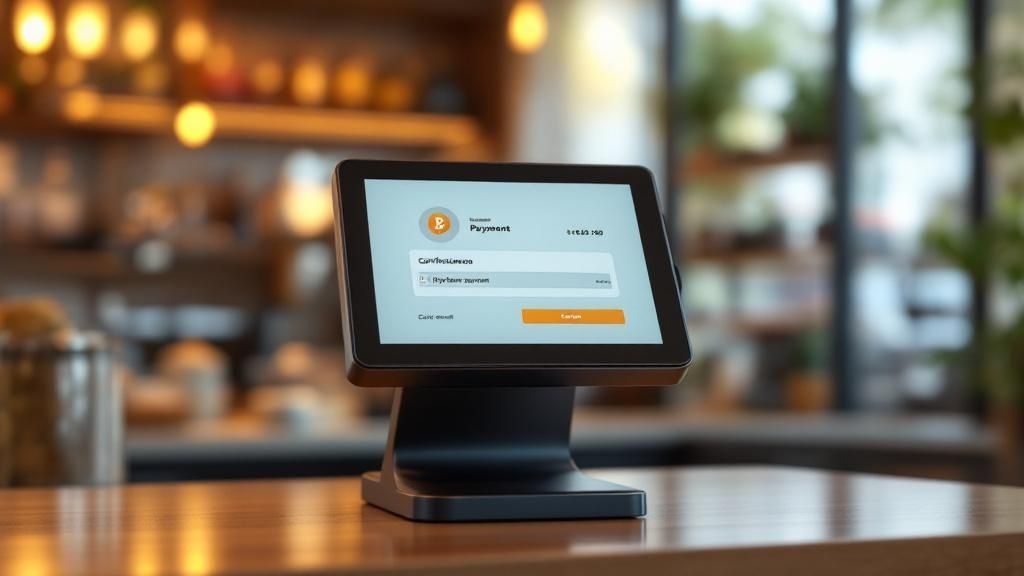
Remember the first time you saw a credit card reader? It was a big change from paying with cash. Crypto POS systems are a similar kind of leap, connecting the familiar world of buying and selling with the exciting world of digital currencies. They act like translators, allowing a customer's Bitcoin wallet to talk to a business's bank account. But this is about more than just offering another way to pay; it's about changing the very way money flows.
How Crypto POS Differs From Traditional Systems
Think about how traditional payment processors work. They involve a whole chain of players: banks, clearinghouses, and other middlemen. A crypto POS system, on the other hand, uses blockchain technology to handle transactions. Picture a digital ledger, shared across many computers, where every transaction is recorded openly and securely. This distributed design removes the need for a central authority, offering potential advantages in speed, cost, and security.
The Growing Adoption of Crypto Payments
This move toward digital currencies is picking up steam. It's not just big institutions; individual investors are increasingly interested in crypto. In 2025, about 28% of American adults, roughly 65 million people, owned cryptocurrencies – a substantial jump from earlier years. And of those who don’t own crypto, 14% plan to buy some in 2025, showing continued consumer interest. You can find more detailed information about cryptocurrency adoption here. This growing consumer interest makes a strong case for businesses to start thinking about integrating crypto POS solutions.
Connecting Digital Wallets to Point-of-Sale Hardware
So, how does this play out in the real world? When a customer uses a crypto POS system, their digital wallet speaks directly to the point-of-sale hardware. Blockchain technology facilitates this communication, ensuring transactions are secure and verifiable. After integrating a crypto POS system, consider using tools like WhatsApp marketing automation to boost customer engagement and support. This smooth integration makes paying with crypto as simple as swiping a credit card, making for a better customer experience.
What's more, the whole process is much simpler than traditional methods, cutting down on processing time and fees. The system logs the transaction on the blockchain, guaranteeing transparency and a permanent record. This approach reduces the reliance on intermediaries, streamlining the payment flow and potentially saving businesses money.
How Crypto POS Systems Work Behind The Scenes

Think of traditional card payments like a relay race. Your payment information is the baton, passed between runners (banks, networks, and so on). A crypto POS system, on the other hand, is more like a radio broadcast. When someone pays with crypto, their transaction isn't sent to a single place, but announced to a whole network of computers.
This network, called the blockchain, is like a shared public ledger. Every transaction is recorded openly and securely. Crypto POS systems make paying simpler, much like a streamlined Checkout experience. This core difference really changes how payments work.
From QR Code Scan to Confirmed Transaction
Let's walk through a crypto payment at a crypto POS system. Usually, the customer scans a QR code displayed on the POS or taps their phone using NFC technology. This sends their payment information, like the amount and their digital wallet address, to the blockchain. This is where the broadcast analogy fits in.
The transaction is then spread across the network, waiting for verification.
The Role of Blockchain Validation
This verification step, sometimes called mining or staking, is what makes crypto transactions secure. Thousands of computers on the network race to validate the transaction. This decentralized system is much more secure than relying on one central authority.
The move toward Proof-of-Stake (PoS) systems has been a major development. Ethereum's switch to PoS in 2022 is a great example. This change cut Ethereum's energy use by a whopping 99.99%, showing the environmental benefits of PoS. Learn more about this change and its impact here. This points to a more sustainable future for cryptocurrencies.
Payment Processors and Currency Conversion
Once the transaction is verified, it's permanently logged on the blockchain. Many crypto POS systems also work with payment processors. These processors can instantly switch the crypto into regular money (like dollars or euros) if the merchant prefers.
This is helpful for businesses that manage their finances in traditional currencies. It simplifies accounting and lets businesses operate without constantly checking crypto prices. The whole process, from scan to settlement, can be much quicker than traditional payment methods. This speed means businesses get their money faster. The system also uses multiple security layers, protecting both businesses and customers from fraud.
Essential Features That Separate Great Crypto POS Systems
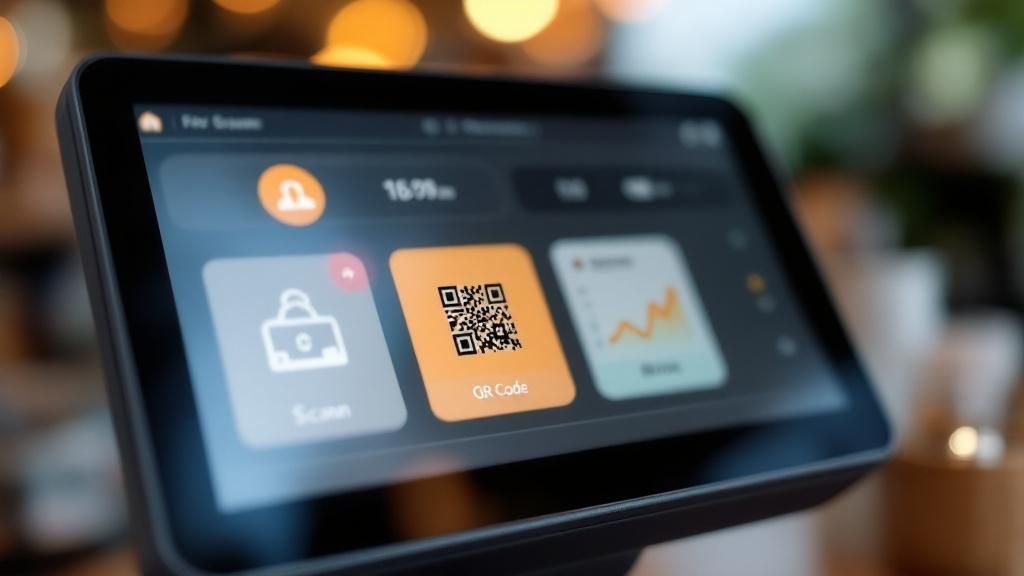
Not all crypto POS systems are created equal. Choosing the right system can significantly enhance your customer experience, while the wrong one can lead to frustration and lost sales. The best crypto POS systems go beyond simply processing payments; they integrate seamlessly into your existing operations and unlock new possibilities for your business.
Multi-Currency Support and Real-Time Conversions
Imagine a customer walks into your store, ready to purchase your latest product. They want to pay with Bitcoin, but another prefers Ethereum. A truly great crypto POS system embraces multi-currency support, allowing your customers to pay with their preferred digital currency, expanding your reach and making transactions smoother.
This flexibility is a major advantage in the world of crypto. Think of it as being able to accept payments from anywhere in the world, in various currencies, without the usual hassles of international transactions. Real-time conversion features then simplify your accounting by automatically switching those crypto payments into your local currency.
Handling the Complexities of Crypto Transactions
Beyond the basics, a robust crypto POS system must handle the nuances of crypto transactions. Think partial payments, refunds, and dispute resolution. These scenarios require a different approach than traditional card payments with chargebacks.
A good system will have clear, well-defined procedures for handling these situations, providing a safety net for both you and your customers. This builds trust and ensures a smooth experience, even when things don't go exactly as planned.
User Interface and Backend Analytics
A well-designed user interface is essential. Your staff shouldn't need a PhD in computer science to operate the system. It should be as intuitive as using a traditional credit card terminal, minimizing training time and maximizing efficiency.
On the backend, robust analytics can provide valuable insights into customer behavior and sales trends. Think of it as having a dedicated research team constantly analyzing your data, uncovering hidden opportunities to optimize your operations and marketing efforts.
Compatibility, Scalability, and Integrations
Your new crypto POS system should work harmoniously with your current setup. Compatibility with existing POS hardware is crucial, minimizing disruption to your workflow and saving you the headache of replacing perfectly good equipment.
As your business grows, scalability is key. The system should be able to handle an increasing transaction volume without slowing down or crashing. Finally, integration capabilities with other business tools, like inventory management software, accounting platforms like Xero or QuickBooks, and CRM platforms such as Salesforce are essential for maximizing efficiency and streamlining your operations.
Security: Protecting Your Business and Customers
Security is paramount. A reliable crypto POS system needs to protect against technical vulnerabilities and human error. This includes features like two-factor authentication, encryption, and secure key management. A secure system protects your business and fosters trust with your customers, turning crypto payments from a potential risk into a competitive advantage.
To help you choose the right system, let's compare some key features across different tiers of crypto POS systems.
Introducing the following table to compare features:
Crypto POS System Feature Comparison: Compare essential features across different types of crypto POS systems to help businesses choose the right solution
| Feature | Basic Systems | Professional Systems | Enterprise Systems |
|---|---|---|---|
| Multi-Currency Support | Limited (e.g., Bitcoin, Ethereum) | Wider range of cryptocurrencies | Customizable, supports emerging coins |
| Real-Time Conversions | Basic, often limited to major fiat currencies | Advanced, supports more fiat currencies | Customizable conversion rates and options |
| Partial Payments/Refunds | Limited functionality | Robust features for handling complex transactions | Comprehensive tools for managing disputes and exceptions |
| User Interface | Simple, may lack advanced features | Intuitive, user-friendly with customization options | Highly customizable, role-based access |
| Backend Analytics | Basic sales reports | Detailed transaction data and customer insights | Advanced analytics, custom reporting, and integrations |
| Hardware Compatibility | Limited integrations | Compatible with major POS hardware providers | Wide range of integrations and custom hardware support |
| Scalability | Suitable for small businesses | Designed for growing businesses with higher transaction volumes | Highly scalable for large enterprises with high-volume transactions |
| Security | Basic security features (e.g., 2FA) | Enhanced security measures (e.g., encryption, multi-sig wallets) | Advanced security protocols and compliance certifications |
| Integrations | Limited integrations with other business tools | Integrations with popular accounting and CRM platforms | Comprehensive API access and custom integrations |
As you can see from the table, the features and capabilities of crypto POS systems vary widely. Basic systems offer essential functionality for small businesses just starting out with crypto payments. Professional systems provide more advanced features and flexibility for growing businesses. Enterprise systems offer the highest level of customization, scalability, and security for large organizations with complex needs.
Choosing the right system depends on your specific business requirements, budget, and growth plans. Consider these factors carefully to make an informed decision and maximize the benefits of accepting crypto payments.
Real-World Success Stories: Where Crypto POS Systems Shine
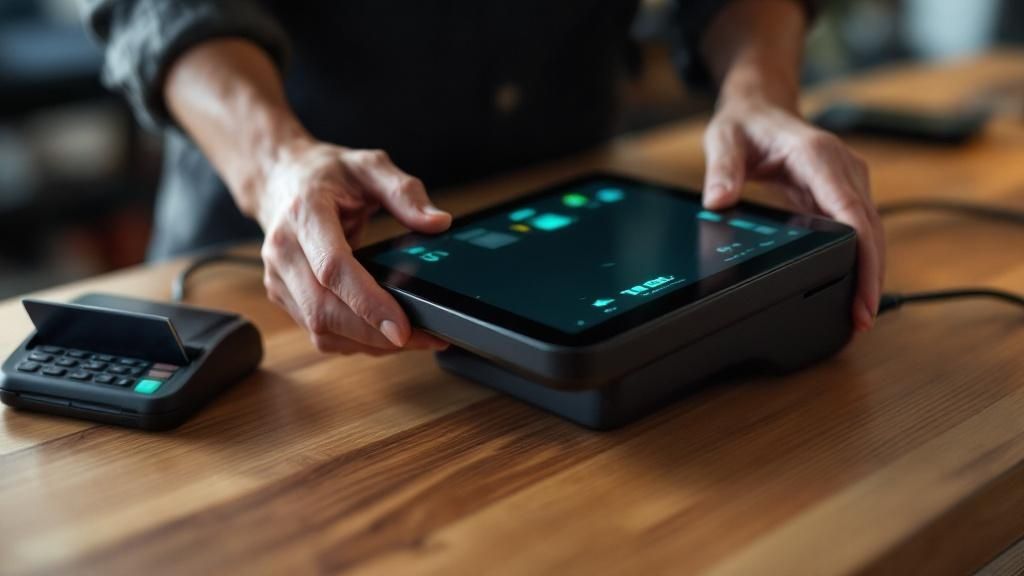
From Austin coffee shops accepting Bitcoin for lattes to Miami car dealerships closing deals with Ethereum, crypto POS systems are finding their place in a variety of businesses. These systems are no longer just trendy experiments; companies are weaving crypto payments into the fabric of their operations. Let's explore some real-world success stories, highlighting the practical advantages and the occasional bumps in the road when adopting this technology.
Reaching International Customers and Bypassing Banking Limitations
Imagine an online retailer struggling to connect with customers overseas. Traditional banking was a constant headache: steep fees, slow processing times, and limited access in certain regions. The retailer decided to integrate a crypto POS system.
The result? They expanded their reach, offering smooth transactions to customers around the world, regardless of their local banking options. This not only boosted sales but also unlocked new markets that were previously out of reach. It's a clear example of how crypto POS systems can solve real business problems.
Attracting Tech-Savvy Clientele and Differentiating Your Brand
For a high-end restaurant, accepting crypto became a powerful marketing tool. It attracted a tech-savvy crowd intrigued by the novelty and convenience of paying with digital currencies. This created a buzz, setting the restaurant apart from the competition and giving it a forward-thinking image.
The restaurant's crypto acceptance became a conversation starter, drawing media attention and generating free marketing. This shows how crypto payments can be about much more than just processing transactions.
Bridging Online and Offline Crypto Experiences
E-commerce platforms are blurring the lines between online and offline crypto payments. Picture this: you buy something online with Bitcoin and then pick it up in-store, using the same crypto wallet for both transactions. This streamlined approach creates a satisfying customer experience, building brand loyalty and making crypto payments even more convenient. This connected experience boosts customer happiness and strengthens the brand’s image as an innovator in payment solutions.
Solving Cross-Border Payment Headaches for International Businesses
International businesses often grapple with cross-border payment challenges. Crypto POS systems offer a solution. Crypto transactions sidestep the complexities of international banking, offering faster processing and lower fees.
This increased efficiency improves cash flow and cuts down on administrative work, letting businesses concentrate on growth instead of getting bogged down in complicated payment systems. This underscores the practical value of crypto for businesses in the global marketplace.
Catering to Crypto-Enthusiast Customer Segments
Some customer groups actively look for businesses that accept crypto. For these customers, it's not just about convenience; it's about supporting a decentralized financial system. Businesses that cater to these customers can cultivate strong loyalty and build a dedicated customer base. Crypto acceptance can be a real strategic advantage when targeting specific demographics.
These real-world examples offer valuable insights. They showcase the practical benefits of crypto POS systems, from expanding into new markets to attracting specific customer groups. They also highlight the implementation challenges and the need for a solid strategy. These stories offer a realistic glimpse into how crypto is reshaping the business world.
The Honest Business Case: Benefits and Challenges Revealed
Let's have a candid conversation about the pros and cons of using a crypto POS system. While the potential upsides are significant, it's important to understand the realities of this technology before jumping in.
Reduced Fees and Faster Settlements
Think about how much you pay in transaction fees with your current payment processor. It can be a substantial chunk of your revenue. Crypto POS systems can dramatically reduce these fees, putting more money back in your pocket.
Not only that, but settlement times are often much faster with crypto. Instead of waiting days for funds to clear, you can often access them much sooner, improving your cash flow and giving you more financial breathing room.
Expanding Your Customer Base
The crypto community is growing rapidly. By accepting crypto payments, you're opening your business to a whole new segment of customers. Some prefer crypto for its efficiency and lower fees.
Others are drawn to the decentralized nature of cryptocurrency. By offering this payment option, you can attract new customers and strengthen loyalty with those who value this technology.
Price Volatility and Regulatory Uncertainty
Now, for the other side of the coin. The crypto market can be volatile. The value of cryptocurrencies can swing up and down, which can affect the value of your sales. This is a risk to consider.
Also, the regulatory landscape for crypto is still evolving. Rules vary by location and can be complex. Staying on top of these regulations is crucial and may require consulting with legal experts.
For example, in 2025, we saw a surge in institutional adoption of crypto, partly due to clearer regulations and improved blockchain infrastructure. Bitcoin's price hit $109,026.02 in early 2025, showing its potential for long-term growth. This institutional interest can contribute to more stability in the market over time. You can explore more about institutional crypto adoption here.
The Learning Curve and Total Cost of Ownership
Switching to any new system takes time and effort. Implementing a crypto POS system will involve training your staff and educating your customers. A smooth transition requires preparation and support.
Beyond the initial setup costs, consider the total cost of ownership. This includes things like hardware upgrades, software licenses, staff training, and ongoing maintenance. Factor these costs into your budget to accurately assess your return on investment.
Tax Implications and Accounting Considerations
Finally, let's talk taxes. The tax implications of accepting crypto payments can be complicated and vary depending on where you're located. It's wise to consult with a tax professional to ensure you're following all the rules. This can save you a lot of trouble down the line.
Your Step-by-Step Implementation Roadmap
Moving from traditional payments to a crypto POS system can feel like a big leap, but it doesn't have to be a disruptive one. Think of it like switching from a horse-drawn carriage to a car – a significant upgrade, but with a clear roadmap, the transition can be smooth. This section provides a practical guide to implementing a crypto POS system, covering everything from selecting the right provider to training your staff.
Evaluating Providers and Negotiating Agreements
Choosing the right crypto POS provider is like choosing the right engine for your new car. Don't simply be swayed by flashy brochures. Look under the hood! Seek out providers with a solid track record, robust security measures, and responsive customer support. Think of your service agreements as your insurance policy. Negotiate terms that protect your business and clearly outline fees, responsibilities, and what happens if something goes wrong.
Technical Integration and System Compatibility
Integrating your new crypto POS system with your existing setup is akin to fitting that new engine into your existing chassis. Opt for a system that's compatible with your current POS hardware to avoid unnecessary costs and disruptions. Consider the technical aspects thoroughly. Does the provider offer the necessary support and documentation to ensure a seamless integration? Careful planning at this stage can prevent major headaches down the road.
Staff Training and Customer Education
Imagine getting that new car, but no one knows how to drive it. Your team needs to be comfortable using the new system. Invest in comprehensive staff training so they can confidently process crypto transactions and address customer inquiries. Remember, some of your customers might be new to crypto as well. Providing clear, simple educational materials can ease the transition and encourage wider adoption. Think of it as providing driving lessons for your staff and a user manual for your customers.
To make the experience even smoother, consider integrating loyalty programs with your new POS. This can be a powerful way to build customer relationships and encourage repeat business. Learn more about integrating loyalty programs here.
Parallel Systems and Testing Phase
Before fully switching over, it's wise to run your crypto POS system alongside your existing payment methods. This parallel system approach is like taking your new car for a test drive while still having your old reliable vehicle in the garage. It allows you to test the new system in a real-world setting without jeopardizing your daily operations. Use this phase to identify any kinks, refine your processes, and ensure a smooth operation. This minimizes risk and allows you to gather valuable data and feedback before making the full switch.
Measuring Success and Optimizing Performance
Once your new car is on the road, you'll want to track its performance. Similarly, monitor key metrics such as transaction volume, processing time, and customer feedback to evaluate the effectiveness of your crypto POS system. Analyze this data to pinpoint areas for improvement and optimize performance. Regular evaluation ensures you're getting the most out of your investment and staying ahead of the competition. Use this data to fine-tune your implementation and ensure long-term success.
Implementation Timeline and Resource Allocation
Just like planning a road trip, a realistic timeline is crucial. Factor in your business size and complexity when setting milestones. Do you have the in-house expertise to manage the implementation, or will you need external assistance? Effective resource planning ensures a smooth launch and minimizes disruptions.
The following table outlines a typical implementation timeline, providing a framework for your own planning:
To help you visualize the process, we've put together a sample timeline. This isn't a one-size-fits-all solution, but it gives you a good starting point for planning your own implementation.
Crypto POS Implementation Timeline: Step-by-step timeline showing key milestones and activities for implementing a crypto POS system
| Phase | Duration | Key Activities | Success Metrics |
|---|---|---|---|
| Planning & Evaluation | 2-4 weeks | Provider selection, needs assessment, budget planning | Clear requirements, chosen provider, defined budget |
| Integration & Setup | 4-8 weeks | Hardware/software configuration, system testing, staff training | Successful system integration, trained staff |
| Parallel Testing & Refinement | 2-4 weeks | Real-world testing, data analysis, process optimization | Smooth transaction flow, positive customer feedback |
| Go-Live & Launch | 1-2 weeks | Full system activation, marketing communication | Increased transaction volume, positive customer adoption |
| Post-Launch Optimization | Ongoing | Performance monitoring, system updates, ongoing training | Improved efficiency, maximized ROI |
This table provides a general overview of the implementation process. Remember to adjust the timelines and activities based on your specific business needs.
By following a structured roadmap, you can transform a potentially complex technical project into a manageable and rewarding business initiative. This structured approach increases your chances of success and minimizes the typical challenges associated with adopting new technology.
Future-Proofing Your Crypto Payment Strategy
The crypto world never sits still. Today's hot new thing can be tomorrow's old news. So, how do you make sure your crypto POS system can roll with the punches? It all comes down to keeping an eye on what's next, building in flexibility, and fostering a culture of continuous learning.
Emerging Trends Shaping the Future of Crypto Payments
Let's talk about the forces reshaping the crypto commerce landscape. Central bank digital currencies (CBDCs), for example, have the potential to bring crypto payments into the everyday. Imagine a world where digital dollars or euros, backed by central banks, work seamlessly with crypto POS systems. This could be a game-changer for adoption, opening up exciting new possibilities for businesses.
Another big development is the rise of layer-2 scaling solutions. These technologies aim to make transactions faster and cheaper, tackling some of the current blockchain bottlenecks. Think near-instant, practically free crypto payments – a pretty compelling proposition for businesses and customers alike.
Building Flexibility into Your Crypto POS Implementation
To stay ahead, your crypto POS system needs to be adaptable. That means choosing systems with open APIs and modular designs. This approach lets you integrate new technologies and adapt to changing regulations without having to tear down and rebuild your entire system.
Think of it like building with LEGOs. You want to be able to swap out bricks and add new ones as needed, rather than being stuck with a single, unchangeable block. This kind of flexibility is key in the ever-changing world of crypto.
The Growing Ecosystem of Crypto Payment Tools and Services
The crypto payment ecosystem is booming. New tools and services are popping up all the time to enhance crypto POS capabilities. Consider automated tax reporting software that simplifies compliance or blockchain-based loyalty programs that reward your crypto-savvy customers. Want a smooth customer experience? Explore how to integrate a loyalty program with your POS system. These add-ons can streamline your operations and draw in new business.
Strategic partnerships are important too. Teaming up with other businesses in the crypto space can give you access to new technologies, valuable expertise, and fresh market opportunities. These relationships can help you stay ahead of the game and adapt to changes more effectively.
Monitoring Industry Developments and Building Organizational Capability
In the fast-paced crypto world, staying informed is essential. Create a strategy for keeping up with industry news, attending relevant conferences, and connecting with the crypto community. This will help you spot emerging trends, assess new opportunities, and avoid getting caught up in short-lived fads.
Finally, building internal expertise is vital. Train your team on the basics of crypto, the ins and outs of your chosen POS system, and the evolving regulations. This organizational knowledge ensures your business can adapt and thrive as the technology matures. By thinking ahead, your crypto POS investment becomes a launchpad for future innovation, not a system that quickly becomes obsolete.
Ready to embrace the future of payments? Discover how Flash, a leading Bitcoin payment software provider, can empower your business with secure and decentralized Bitcoin transactions. Visit their site to learn more.