Why Smart Businesses Are Embracing Crypto Payments Now
Accepting cryptocurrency payments is no longer a niche idea. It's a strategic move for businesses that want to succeed in today's evolving economy. This shift isn't about hype; it's about real benefits that change customer expectations and create new competitive advantages. Let's explore why forward-thinking companies are integrating cryptocurrency payments and leaving their competitors behind.
Reduced Transaction Fees: A Significant Advantage for Businesses
One of the biggest reasons to accept cryptocurrency is the potential for much lower transaction fees. Traditional methods like credit cards can charge businesses anywhere from 1.5% to 3.5% per transaction. Cryptocurrency transactions often have significantly smaller fees, sometimes just fractions of a percent. This can dramatically impact a business's profits, especially for those with high sales volumes. These savings can be reinvested in other areas, such as marketing or product development.
Expanding Your Reach to a Growing Customer Base
Accepting crypto also opens your business to a growing global market of cryptocurrency users. In the United States alone, roughly 28% of adults, or about 65 million people, owned cryptocurrency as of 2025. This shows significant market potential. Another 14% of Americans without crypto plan to buy it, highlighting the growing interest and potential customer base. This allows businesses to tap into new revenue and connect with customers who prefer using digital assets. More detailed statistics can be found here: Learn more about US crypto adoption.
Enhanced Security and Transparency With Blockchain Technology
The blockchain technology behind cryptocurrencies offers better security and transparency for both businesses and customers. Its decentralized nature makes fraudulent transactions very difficult, minimizing chargebacks and other payment disputes. This built-in security can build trust and confidence in customers, leading to greater loyalty.
Faster International Transactions: A Competitive Edge
Businesses can process international transactions much faster and more efficiently with cryptocurrencies. Traditional cross-border payments often involve long processing times and high fees because of currency conversions and intermediary banks. Cryptocurrency transactions can be completed in minutes, regardless of location. This makes it easier for businesses to expand globally and operate in international markets. For example, a small business selling handcrafted goods online can easily reach customers in another country without worrying about international wire transfer fees or delays. This speed and efficiency can be a major competitive advantage in today’s global marketplace.
Choosing Your Crypto Payment Method That Actually Works
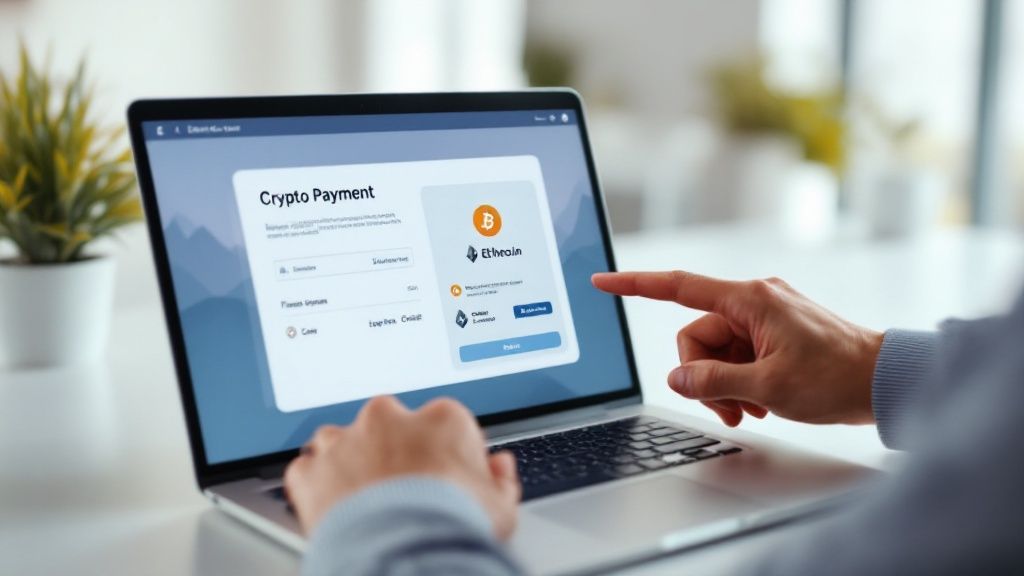
Accepting cryptocurrency payments successfully depends on choosing the right method for your business. This involves considering your technical capabilities, the number of transactions you expect, and the overall experience you want your customers to have. Let's explore the three main approaches, examining their pros and cons to help you make a smart decision.
Direct Wallet Transactions: Control and Complexity
Direct wallet transactions offer maximum control over your funds and often the lowest fees. Customers send cryptocurrency directly from their wallets to your business wallet. It’s similar to receiving cash — you have instant access to the funds with no intermediaries.
However, setting this up properly requires technical skills to manage wallets, private keys, and security. You’ll also be responsible for confirming payments and addressing customer questions about transactions. This method is generally preferred by tech-savvy businesses with a lower volume of transactions who value control over their funds.
Payment Processors: Simplicity and Convenience
Payment processors like Flash offer a simpler option. They act as intermediaries, handling the technical aspects of cryptocurrency transactions similar to how traditional payment gateways work for credit cards. Businesses should explore the opportunities cryptocurrency presents, as discussed in articles about Cryptocurrency Trading. With a payment processor, customers can pay with different cryptocurrencies, and the processor automatically converts them to your preferred currency (like USD). This makes accounting simpler and reduces the technical workload for your team. However, payment processors typically charge fees per transaction, which can vary depending on the provider and transaction volume.
Integrated Platforms: Scalability and Automation
Integrated platforms provide a more complete solution for businesses wanting to expand their cryptocurrency payment acceptance. These platforms often combine payment processing with additional features like invoicing, accounting integration, and automated reports. This is especially useful for businesses with high transaction volumes or complicated accounting requirements. However, integration with these platforms might require more initial setup and continued maintenance.
Choosing The Right Fit for Your Business
To pick the best option, consider your specific needs:
Technical Expertise: If you lack in-house technical skills, payment processors or integrated platforms are better options than direct wallet solutions.
Transaction Volume: For high volumes, an integrated platform provides better scalability and automation.
Customer Experience: Payment processors often provide a smoother, more familiar experience for customers new to cryptocurrency.
Cost: Weigh the lower fees of direct wallet transactions against the convenience and extra features of processors and platforms.
The following table summarizes the key differences:
Cryptocurrency Payment Methods Comparison
Compare the key features, costs, and requirements of different cryptocurrency payment approaches
| Payment Method | Setup Complexity | Transaction Fees | Technical Requirements | Best For |
|---|---|---|---|---|
| Direct Wallet Transactions | High | Low | Significant | Tech-savvy businesses, low volume |
| Payment Processors | Medium | Moderate | Minimal | Businesses seeking simplicity |
| Integrated Platforms | High | Moderate to High | Moderate | High volume, complex needs |
By understanding the details of each method, you can choose the best approach for accepting cryptocurrency payments effectively in your business. This strategic decision will pave the way for seamless transactions, satisfied customers, and greater growth potential.
Setting Up Payment Processors Without The Headaches

While directly accepting cryptocurrency payments offers greater control, using a payment processor like Flash simplifies things considerably. This lets you concentrate on your business while relying on the expertise of established platforms. Let's explore setting up a payment processor and integrating it with your current systems.
Onboarding and Verification: What To Expect
Selecting the right payment processor means understanding their onboarding. While speed is often emphasized, knowing the actual verification requirements and timelines can prevent frustration. Some processors might require business verification documents, adding a few days to the process. Others, like Flash, boast no know-your-customer (KYC) requirements, speeding up onboarding. This difference significantly impacts how quickly you can begin accepting cryptocurrency.
Integrating With Your Current Systems: A Seamless Transition
The real benefit of a payment processor is its integration with your existing setup. Most leading platforms offer APIs and plugins that connect with popular e-commerce platforms, point-of-sale (POS) systems, and even custom websites. Think of it like adding a new shipping option – the integration shouldn't disrupt your current workflows. This helps your team adapt quickly and minimizes disruptions.
Automatic Fiat Conversion: Avoiding Volatility
A major advantage of payment processors is automatic cryptocurrency-to-fiat conversion. You could receive payments in Bitcoin but have them automatically converted to USD, reducing exposure to price fluctuations. This simplifies accounting and financial planning. However, it's essential to check the conversion process's reliability and understand any associated fees. The increasing number of cryptocurrency users globally drives demand for these services. The user base grew by almost 40 million in the latter half of 2024. Even large platforms like PayPal offer automatic cryptocurrency-to-fiat conversion, highlighting this feature's mainstream adoption. Find more detailed statistics here.
Security and Compliance Made Easy
A reputable payment processor handles much of the security and compliance associated with cryptocurrency transactions. This includes secure wallet management, transaction verification, and adhering to regulations. This lets you focus on accepting payments, knowing the processor manages the technical and legal complexities. This streamlined approach is vital for businesses wanting a simple and secure way to accept cryptocurrency.
Mastering Direct Wallet Solutions For Maximum Control
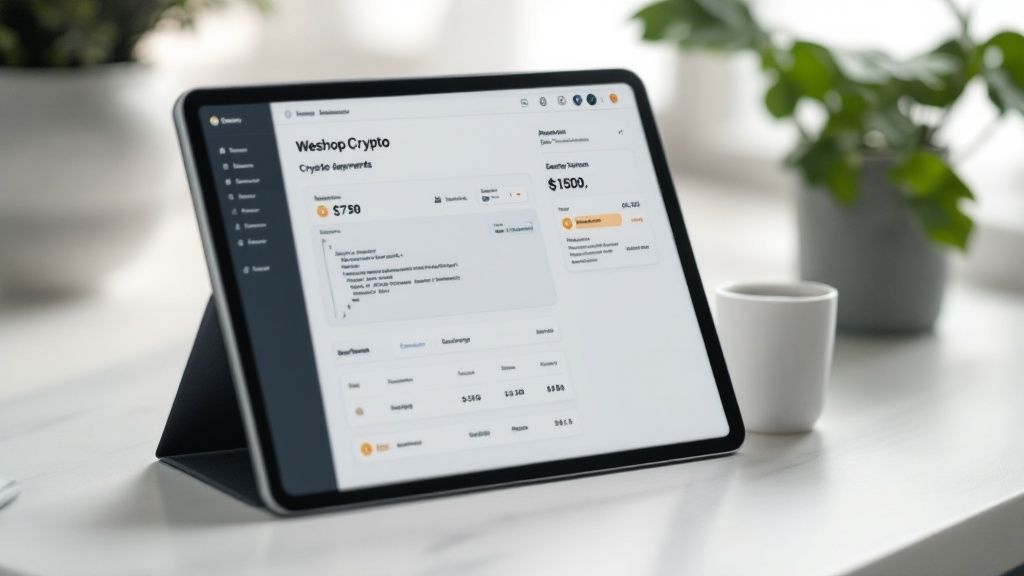
Direct wallet solutions give businesses significant control over their cryptocurrency payments and can minimize transaction fees. While this approach requires a more technical understanding of how cryptocurrency works, the benefits are substantial for businesses comfortable navigating this space. Let's explore how to set up and manage direct wallet solutions efficiently and securely.
Setting Up Your Business Wallet: Balancing Security and Usability
The first step to accepting cryptocurrency payments directly is setting up a business wallet. This wallet will be the central hub for receiving and storing your cryptocurrency. Think of it as your business's digital bank account. When choosing a wallet provider, prioritize security and a user-friendly interface.
There are two main types of wallets: hot wallets and cold wallets. Hot wallets are connected to the internet and are best suited for frequent transactions. Cold wallets, on the other hand, offer offline storage for maximum security and are ideal for holding larger sums.
A business handling regular cryptocurrency transactions might use a hot wallet like Flash for daily operations. At the same time, they could store the majority of their crypto reserves in a cold wallet. This strategy balances easy access with robust security.
Implementing Receiving Addresses: Protecting Your Privacy
Using unique receiving addresses for each transaction is a cornerstone of privacy and efficient accounting. This practice makes it significantly harder to track your overall holdings and transaction history. Much like you wouldn't share your primary business bank account number for every customer payment, using different receiving addresses for crypto adds an extra layer of protection. Most wallets can easily generate new receiving addresses, simplifying this important security measure.
Managing Private Keys: The Key to Your Cryptocurrency Kingdom
Your private keys are essentially the password to your cryptocurrency holdings. Losing your private keys means permanently losing access to your funds. Their security is paramount. Consider using a combination of secure offline storage and strong password management systems. Some businesses opt for multi-signature wallets, which require multiple authorizations for access, adding yet another layer of security.
Confirming Payments and Record Keeping: Best Practices
Direct wallet solutions require you to handle payment confirmations and record keeping yourself. Unlike payment processors, there's no automatic conversion to fiat currency. You'll need to establish clear processes for verifying cryptocurrency payments on the blockchain. This involves checking for the required number of confirmations to ensure the transaction’s validity.
Accurate record keeping is also vital for accounting and tax purposes. Implementing a well-organized system from the outset will prevent headaches down the line.
Handling Customer Inquiries: Building Confidence
Be prepared to answer customer questions about cryptocurrency transactions. Providing clear instructions on how to send payments, and offering support when issues arise, builds customer confidence and creates a smoother payment experience. By mastering these key aspects of direct wallet solutions, your business can harness the potential of accepting cryptocurrency while maintaining maximum security and control.
Unlocking Global Markets Through Crypto Payments

Cryptocurrency payments offer businesses a unique opportunity to expand their reach internationally. Beyond simply accepting a new payment method, it's about opening doors to new markets and simplifying cross-border transactions. This allows businesses to compete globally with greater efficiency and effectiveness.
Eliminating Barriers to International Trade
Traditional international transactions are often bogged down by high fees, cumbersome currency conversions, and slow processing times. Think about wire transfers, which can take days to clear and come with hefty bank charges. Cryptocurrency payments offer a stark contrast, often processing within minutes regardless of location.
This speed and efficiency can be a real advantage for businesses involved in international trade. By bypassing traditional banking systems, cryptocurrency transactions streamline the process and reduce reliance on intermediaries, making cross-border business significantly easier.
Europe, for example, is the second-largest cryptocurrency market after North America, boasting over 17.5% of global transaction volume and 31 million crypto users. For European businesses, accepting cryptocurrency offers a competitive edge by connecting with this expanding user base and facilitating smoother cross-border transactions. For more detailed statistics, Explore this topic further.
Reaching Underserved Markets: Tapping Into New Growth
Many high-growth regions lack access to traditional financial systems. Low credit card penetration in certain areas limits access to global markets. Cryptocurrency offers a solution, allowing businesses to reach customers in these regions who prefer or need to transact with cryptocurrency. For businesses considering direct wallet integration, exploring effective digital wallet marketing can significantly boost engagement. This opens up access to new customer bases and creates growth opportunities previously out of reach.
Building Trust and Adapting to Regional Preferences
Building trust with global customers is essential. Businesses need to understand and adapt to regional preferences. Certain cultures may have higher adoption rates of particular cryptocurrencies. Aligning payment methods with regional norms builds customer trust and encourages wider adoption.
Offering cryptocurrency payments also signals a commitment to technological innovation and inclusivity, appealing to tech-savvy customers worldwide. This builds credibility and strengthens customer relationships across different markets.
Navigating International Regulations: Staying Compliant
Navigating international cryptocurrency regulations may seem daunting, but the potential benefits are significant. Businesses can confidently accept cryptocurrency payments while remaining compliant by staying informed about legal frameworks and working with reputable payment processors like Flash. Flash simplifies accepting Bitcoin, making it secure and compliant. This proactive approach ensures smooth operations and minimizes potential legal risks. Embracing cryptocurrency payments allows businesses to expand their reach, reduce costs, and connect with customers in the rapidly evolving global digital economy.
Protecting Your Business With Bulletproof Security
Security is paramount when accepting cryptocurrency payments. It's more than just passwords; it's about establishing a secure framework for your entire business. This includes protecting your funds, verifying every transaction, and constantly monitoring your systems for potential issues. Let's explore vital security best practices that can safeguard your business and foster customer trust.
Wallet Security: Safeguarding Your Crypto Assets
Protecting your cryptocurrency holdings starts with strong wallet security. This goes beyond basic passwords. Imagine your crypto wallet as a digital vault requiring multiple layers of protection to keep your assets safe.
Use Strong Passwords & Two-Factor Authentication: Implement robust, unique passwords for every account linked to your cryptocurrency wallets. Activate two-factor authentication (2FA) wherever possible for added security, making unauthorized access significantly harder.
Diversify Wallet Types: Use a combination of hot and cold wallets. Hot wallets, connected to the internet, facilitate daily transactions. Cold wallets, stored offline, provide maximum security for larger holdings. Think of it like keeping some cash on hand for expenses, while storing most of your savings securely.
Regularly Update Your Software: Always keep your wallet software updated. This patches known security vulnerabilities, preventing exploits and protecting your system from new threats.
Transaction Verification: Preventing Fraud and Errors
Equally important is verifying each cryptocurrency transaction. This prevents fraud and ensures accurate record-keeping. It's like carefully checking your receipts after making a purchase.
Confirmations on the Blockchain: Don't assume a transaction is final just because it's in your wallet. Wait for the required number of confirmations on the blockchain before fulfilling orders. This guarantees the transaction is valid and irreversible.
Address Verification: Before sending large amounts, use tools or services to verify the receiving addresses. This extra step can prevent costly errors, especially with new customers or unfamiliar wallets.
Monitoring and Backup Strategies: Staying Ahead of Problems
Monitoring systems can prevent minor issues from escalating. These systems provide real-time alerts about suspicious activity or unusual transaction patterns, allowing you to respond quickly and minimize potential damage.
Real-Time Alerts: Set up alerts for large transactions, unusual activity, or unauthorized access attempts. This early warning system gives you valuable time to react.
Regular Backups: Back up your wallet data frequently in multiple secure locations, including offline backups for optimal security. This ensures you can recover your funds and transaction history in case of hardware failure or a data breach.
To help you stay organized and proactive, consider the following checklist:
Cryptocurrency Security Checklist Essential security measures and risk mitigation strategies for businesses accepting cryptocurrency payments
| Security Area | Risk Level | Implementation Priority | Key Actions |
|---|---|---|---|
| Wallet Security | High | High | Strong passwords, 2FA, diversify wallet types (hot/cold), regular software updates |
| Transaction Verification | Medium | High | Blockchain confirmations, address verification |
| System Monitoring | Medium | Medium | Real-time alerts for suspicious activity |
| Data Backup | High | High | Regular backups in multiple secure locations (including offline) |
This checklist provides a quick overview of essential security measures, categorized by risk level and implementation priority. Regularly reviewing these areas helps maintain a robust security posture.
By implementing these security measures, your business can confidently accept cryptocurrency payments, knowing you're protected against potential risks. This fosters a secure and trusted environment for both you and your customers. Using a platform like Flash simplifies many of these aspects by handling key elements such as secure wallet management and transaction verification. This allows you to focus on running your business while relying on an established platform to handle the complexities of cryptocurrency security.
Measuring Success And Optimizing Your Crypto Strategy
Transitioning to cryptocurrency payments involves more than simply setting up a system; it requires continuous evaluation and strategic optimization. This means pinpointing Key Performance Indicators (KPIs) to gauge success and leveraging data-driven insights to refine processes. By concentrating on these metrics, you can transform cryptocurrency acceptance from a novelty into a tangible advantage.
Key Metrics That Matter for Crypto Transactions
While standard metrics like sales volume remain relevant, certain KPIs are unique to cryptocurrency payments. Conversion rates reveal how effectively you're converting website visitors or shoppers into paying customers using crypto. For example, if 100 visitors encounter a product page offering crypto payments, and 10 complete a purchase using crypto, your conversion rate is 10%. Tracking this helps evaluate your crypto payment option's performance.
Another vital metric is customer satisfaction. Do your customers find the process easy and secure? Gathering feedback via surveys or reviews offers insights into user experience, highlighting areas for improvement. High customer satisfaction not only builds loyalty but also promotes broader crypto payment adoption within your customer base.
Analyzing Payment Data and Identifying Opportunities
Analyzing payment data unveils trends and optimization opportunities. Are certain cryptocurrencies more popular than others? Are there patterns in transaction sizes or frequencies? Uncovering these insights can inform decisions about which cryptocurrencies to emphasize and how to enhance payment flows. It's similar to analyzing website traffic to pinpoint popular pages – this information guides website design and content strategy.
Optimizing Your Crypto Payment Process: A Continuous Cycle
Optimizing cryptocurrency payment acceptance is an ongoing endeavor. Regularly review your payment flow. Is the checkout process clear and intuitive for crypto users? Can you streamline the payment steps? Are your wallet addresses easily accessible and usable? Even minor adjustments can significantly impact conversion rates and customer satisfaction.
Furthermore, stay abreast of industry best practices and technological advancements. The cryptocurrency landscape is constantly evolving. By remaining informed about new payment processors like Binance Pay, security measures, and integration options, you can continuously refine your strategy. Consider incorporating services like Lyzi to expand payment flexibility.
Benchmarks and Case Studies: Learning From Success
Benchmarking your performance against industry peers helps identify areas of excellence and potential growth. Case studies of successful implementations offer valuable lessons. For example, the European department store Printemps was the first in Europe to accept cryptocurrency, collaborating with Binance Pay and Lyzi. This move showcases how crypto payments can enhance customer experience.
By tracking KPIs, analyzing data, and constantly adapting your approach, you can maximize the benefits of accepting cryptocurrency. This strengthens customer relationships and fuels sustainable business growth. Flash provides a straightforward, secure, and efficient method to accept Bitcoin payments. Start accepting cryptocurrency payments quickly with Flash.