Unlocking the Power of Bitcoin: Where to Spend Your Crypto
Want to know where your Bitcoin is accepted? This list reveals eight stores that accept Bitcoins, simplifying your search for Bitcoin-friendly businesses. Discover where you can spend your crypto, from established retailers like AT&T and Home Depot to online marketplaces like Overstock.com and Newegg. We'll also cover options for Shopify stores, Microsoft, Whole Foods Market, and even Twitch. Let's explore these Bitcoin-accepting stores.
1. Overstock.com
Overstock.com stands as a pioneering force in the world of cryptocurrency adoption among major retailers. Since 2014, they've embraced Bitcoin as a payment method, paving the way for other e-commerce platforms to follow suit. This forward-thinking approach has solidified their position as a leader in the space, offering customers a unique way to purchase a wide variety of products using digital currency. From furniture and home goods to jewelry, electronics, and clothing, Overstock.com provides a comprehensive online shopping experience for those looking to utilize their Bitcoin holdings. This makes them a prime example of a store that accepts Bitcoins, catering to a growing segment of tech-savvy consumers and Bitcoin enthusiasts. Their early adoption has not only expanded their customer base but also demonstrated a commitment to innovation in the retail sector.
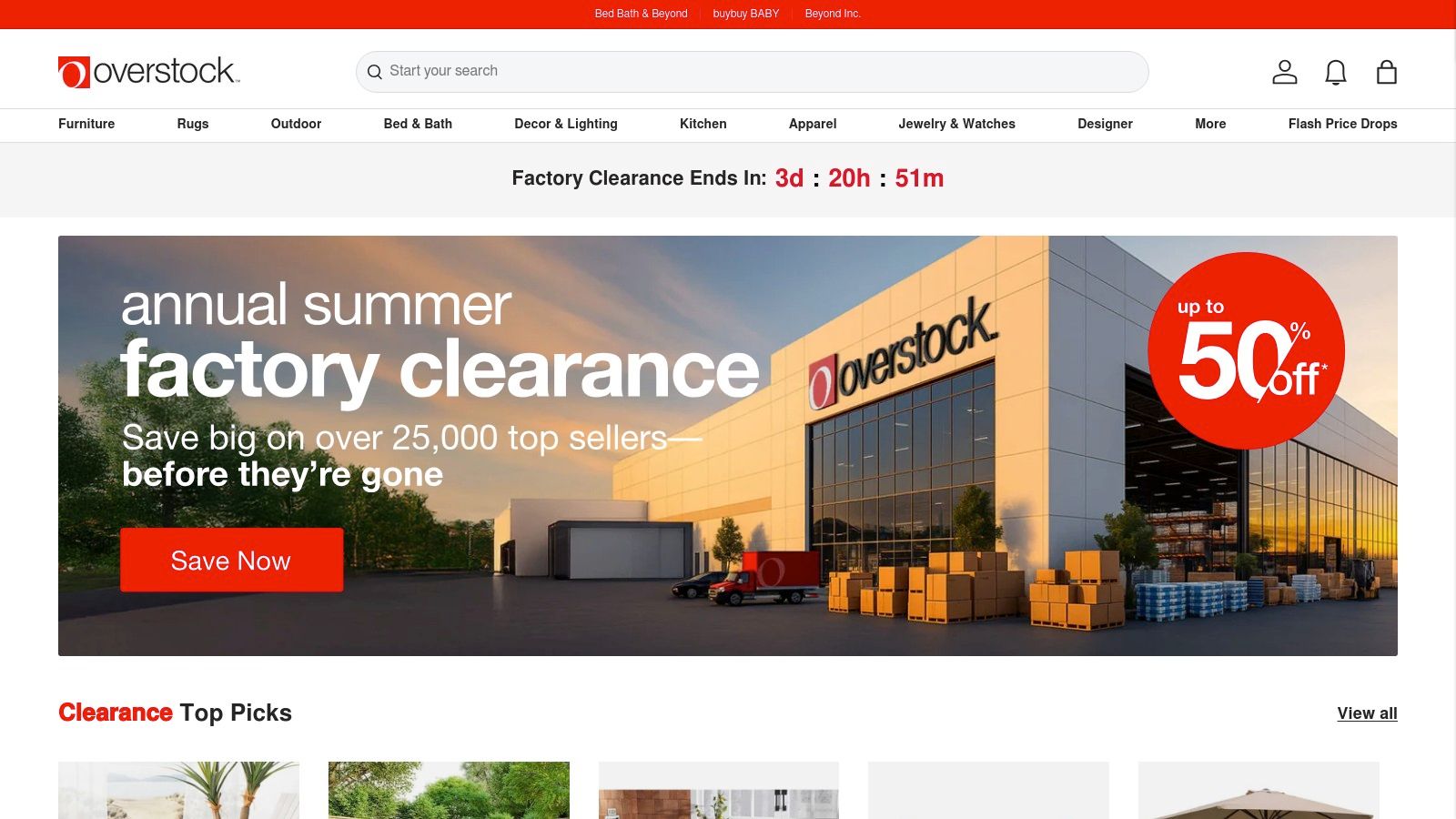
For merchants and retailers exploring the integration of Bitcoin payments, Overstock.com serves as a valuable case study. Their successful implementation demonstrates the feasibility and potential benefits of accepting cryptocurrency. Overstock.com's partnership with Coinbase, a reputable cryptocurrency exchange platform, ensures secure and reliable payment processing, addressing a key concern for businesses venturing into the crypto space. This collaboration simplifies the technical aspects of accepting Bitcoin, making it a more accessible option for businesses of all sizes.
Overstock.com’s integration of Bitcoin payments is remarkably seamless. Customers can select Bitcoin as a payment option directly at checkout, just like using a credit card or PayPal. There's no need to navigate to external platforms or engage in complex conversion processes. This user-friendly approach enhances the customer experience and encourages wider adoption of Bitcoin payments. While pricing remains the same regardless of payment method, occasional promotions and discounts specifically for Bitcoin users provide added incentives. Furthermore, the ability to track Bitcoin payment history within customer accounts offers transparency and simplifies accounting for both buyers and sellers.
For SaaS providers, digital content creators, and non-profits, Overstock's model offers valuable insights. It demonstrates how Bitcoin can facilitate frictionless transactions, potentially opening up new revenue streams and expanding reach to a global audience. For Bitcoin supporters and the broader Bitcoin community, Overstock.com's continued acceptance of the cryptocurrency reinforces its legitimacy and practical applications in everyday commerce.
While Overstock.com offers numerous advantages for those seeking stores that accept Bitcoins, it’s essential to be aware of certain limitations. One significant drawback is the non-refundable nature of Bitcoin payments. This policy stems from the inherent irreversibility of blockchain transactions. Should a customer need to return a product or request a refund, they will likely receive store credit or an alternative form of compensation. Additionally, while Overstock.com ships to select international markets, Bitcoin payments are primarily limited to US customers. Finally, processing times for Bitcoin transactions can sometimes be longer than traditional payment methods due to blockchain confirmations.
Despite these limitations, the pros of using Bitcoin on Overstock.com significantly outweigh the cons for many users. The platform offers a vast inventory of over 1 million items across diverse product categories, providing ample choices for online shoppers. Overstock.com’s established reputation and robust customer service further contribute to a positive shopping experience. Their pioneering role in adopting Bitcoin, coupled with a seamless integration process and a large product selection, makes Overstock.com a compelling option for anyone looking to utilize Bitcoin for online purchases.
Visit Overstock.com: https://www.overstock.com
2. AT&T
AT&T, a telecommunications giant, stands out as one of the few major utility companies embracing the world of cryptocurrency. Since 2019, AT&T has allowed customers to pay their bills with Bitcoin, making it a noteworthy entry on our list of stores that accept bitcoins. This move provides a convenient and modern payment option for its substantial customer base, particularly those invested in digital currencies. For businesses and individuals exploring the practicality of using Bitcoin for everyday transactions, AT&T's adoption offers a compelling use case.
AT&T's Bitcoin payment integration caters specifically to existing customers paying their monthly bills for wireless, internet, and TV services. This means you can settle your recurring telecommunications expenses using Bitcoin. The process is facilitated through AT&T's online payment portal, utilizing BitPay, a well-established cryptocurrency payment processor, for seamless and secure transactions. Upon successful payment, customers receive confirmation and a receipt, just like with traditional payment methods. This level of integration simplifies the Bitcoin payment process, making it as straightforward as using a credit card or bank transfer.
One of the most attractive features of AT&T's Bitcoin payment option is the lack of additional fees. Customers pay only their standard bill amount, without any surcharge for choosing Bitcoin. This contrasts with some other payment methods that may incur processing fees. This cost-effectiveness is a significant advantage for Bitcoin users and further incentivizes the adoption of cryptocurrency for everyday expenses.
While AT&T's embrace of Bitcoin is a significant step forward, it's crucial to understand the current limitations. The service is currently restricted to bill payments and cannot be used for new service purchases or hardware upgrades. This means you can't buy a new phone or subscribe to a new service using Bitcoin. Additionally, the service is currently available only to US customers with an existing AT&T account. Those without an existing account will need to establish one using traditional payment methods before they can utilize the Bitcoin payment option.
Why AT&T deserves a place on this list:
AT&T's adoption of Bitcoin as a payment method is significant for several reasons. Firstly, it represents a major corporation acknowledging and integrating cryptocurrency into its existing financial infrastructure. This adds legitimacy to Bitcoin and contributes to its wider acceptance as a viable form of payment. Secondly, it provides a practical, real-world use case for Bitcoin beyond speculative investment. By enabling the payment of recurring bills, AT&T demonstrates the utility of Bitcoin for everyday transactions. This is particularly appealing to Bitcoin supporters and those actively participating in the Bitcoin community. Finally, the integration with BitPay ensures a reliable and secure payment process, mitigating potential risks associated with less established cryptocurrency payment gateways.
Benefits for different target audiences:
- eCommerce merchants, Brick-and-mortar retailers, SaaS and subscription-based services: AT&T's model can serve as a case study for businesses considering accepting Bitcoin. It demonstrates the feasibility of integrating cryptocurrency payments into existing billing systems.
- Digital content creators and online educators: While not directly applicable to this sector yet, AT&T's approach highlights the potential for recurring subscription payments using Bitcoin in the future.
- Non-profits, NGOs, and charities: The potential for reduced transaction fees with Bitcoin payments can be particularly attractive to organizations sensitive to operating costs.
- Bitcoin supporters, Bitcoin merchant, Bitcoin community: AT&T's adoption provides further validation for the Bitcoin ecosystem and encourages wider adoption.
Implementation and Setup Tips (for businesses considering similar implementations):
While specific technical requirements are not publicly available from AT&T, their implementation provides valuable insights. Partnering with a reputable payment processor like BitPay is a key takeaway. This allows businesses to leverage existing infrastructure and expertise without needing to develop in-house cryptocurrency payment solutions. Focusing on specific use cases, like bill payments in AT&T's case, can be a practical starting point. This allows for a controlled rollout and the opportunity to refine processes before expanding to other payment areas.
Comparison with similar tools: While other telecommunication companies are exploring cryptocurrency payments, AT&T remains a leader in this space, particularly among major US providers. This early adoption positions them favorably as the landscape of cryptocurrency payments continues to evolve.
For existing AT&T customers who hold Bitcoin and prefer using it for transactions, paying bills through the online portal is a straightforward process. Simply select the Bitcoin payment option during checkout and follow the prompts to connect with your BitPay wallet. While limitations exist, AT&T's acceptance of Bitcoin represents a significant step towards wider cryptocurrency adoption and offers practical benefits for its customers. You can visit the AT&T website (https://www.att.com) for more information on their billing and payment options.
3. Microsoft
Microsoft, a name synonymous with technological innovation, surprisingly embraces Bitcoin as a payment method. While not as widely publicized as some other Bitcoin-accepting businesses, Microsoft allows users to purchase digital content and services using the cryptocurrency. This includes a wide array of offerings like games, apps, and movies from the Microsoft Store, along with subscriptions for services such as Xbox Live and Office 365. This integration of Bitcoin into Microsoft's ecosystem provides a fascinating use case for the cryptocurrency, particularly for digitally-focused consumers.
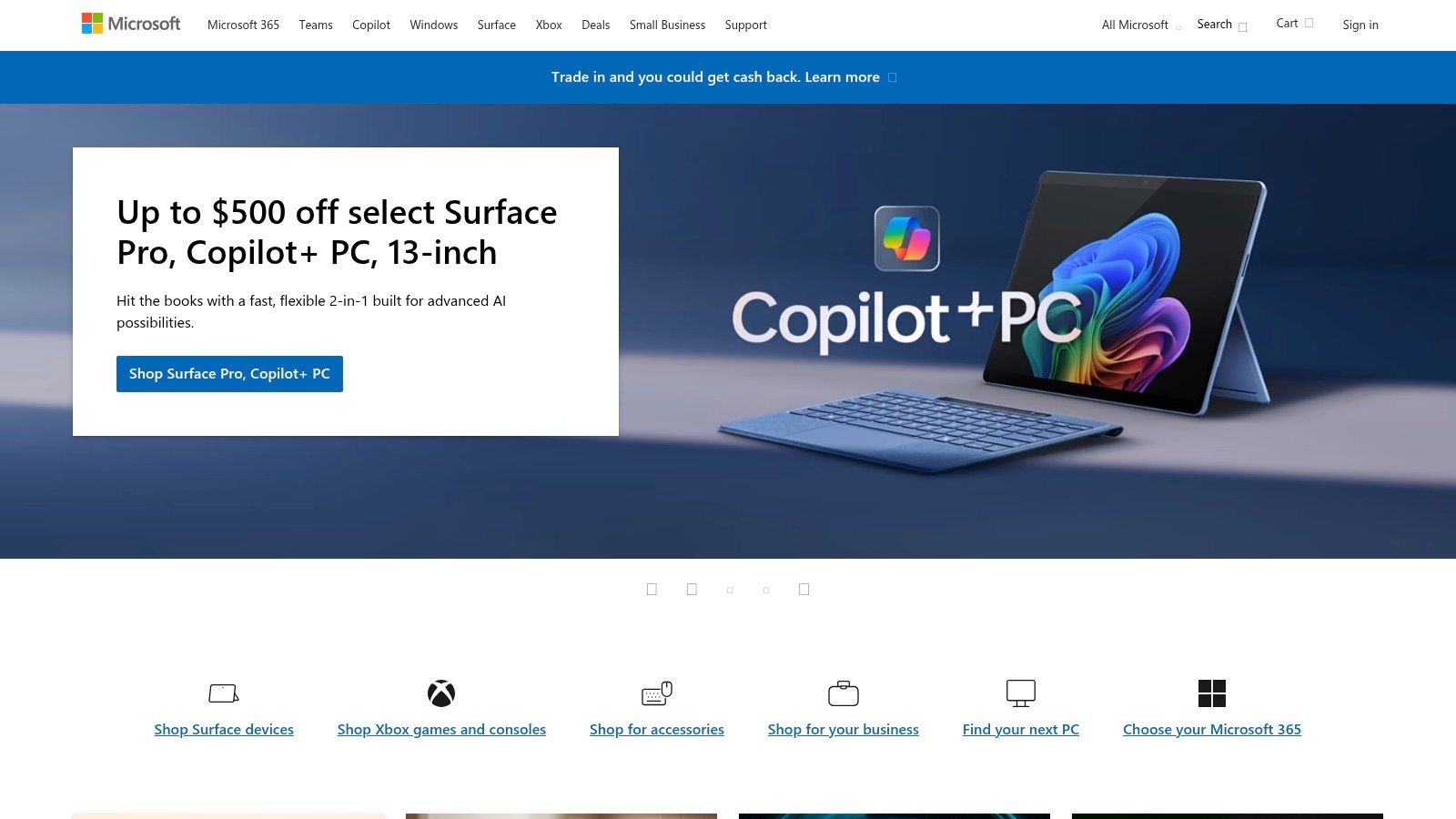
For those already immersed in the Microsoft ecosystem, paying with Bitcoin offers a convenient alternative to traditional payment methods. Imagine topping up your Xbox Live balance with Bitcoin to purchase the latest game release, or subscribing to Office 365 without pulling out your credit card. This seamless integration makes Microsoft a significant player in the list of stores that accept bitcoins, demonstrating the growing acceptance of cryptocurrency in mainstream markets.
This payment option is available across multiple platforms, including Xbox consoles, Windows PCs, and mobile devices, streamlining the purchasing process for users regardless of their preferred device. The functionality isn't limited to one-time purchases; recurring subscriptions can also be managed using Bitcoin, further solidifying its utility. This multi-platform approach is a key advantage, catering to the diverse needs of Microsoft's vast user base.
While specific pricing details for individual products and services remain consistent regardless of payment method, the technical requirements are straightforward. Users need a valid Bitcoin wallet with sufficient funds to cover their desired purchases. The process typically involves selecting Bitcoin as the payment option during checkout, which generates a unique Bitcoin address to send the payment to. Once the transaction is confirmed on the blockchain, the purchase is completed. While Microsoft itself doesn't act as a wallet provider, it integrates seamlessly with various third-party wallet services, enhancing user flexibility.
Compared to other stores that accept bitcoins, Microsoft’s focus on digital content and services carves a unique niche. While platforms like Overstock offer physical goods, and travel agencies like Expedia facilitate travel bookings, Microsoft caters specifically to the digital marketplace. This makes it a compelling option for individuals primarily interested in acquiring digital products and services, highlighting the distinct advantages of Bitcoin in this specific context.
Implementing Bitcoin payments within the Microsoft ecosystem is remarkably user-friendly. Upon selecting Bitcoin as your payment method, you're provided with a QR code and a unique wallet address. You then use your preferred Bitcoin wallet to send the required amount to this address. The system usually allows a short timeframe for the transaction to be confirmed on the blockchain, ensuring a smooth and efficient purchasing experience.
One of the primary benefits of using Bitcoin on Microsoft’s platform is the company’s reputation as a trusted tech giant. This instills confidence in users regarding the security and reliability of the payment process. Furthermore, the wide range of digital products and services available ensures that users can find something that meets their needs.
However, there are some limitations. The most significant drawback is that Bitcoin payments are currently restricted to digital products and services. You cannot purchase physical hardware, such as an Xbox console or a Surface laptop, using Bitcoin. Additionally, Microsoft has occasionally suspended Bitcoin payments in the past due to price volatility, creating temporary inconvenience for users. Finally, regional restrictions apply in certain countries, limiting the global reach of this payment option.
Despite these limitations, Microsoft's adoption of Bitcoin represents a significant step towards mainstream acceptance of the cryptocurrency. The convenience, multi-platform integration, and wide range of digital offerings make it a valuable option for those within the Microsoft ecosystem, solidifying its place among stores that accept bitcoins. For the target audiences mentioned, particularly digital content creators and online educators, this offers a compelling alternative payment pathway to traditional methods. You can explore this payment option further on the official Microsoft website.
4. Newegg
For tech-savvy individuals and businesses seeking to utilize Bitcoin for their electronics purchases, Newegg stands out as a premier option among stores that accept bitcoins. As a leading online retailer specializing in computer hardware, electronics, and tech accessories, Newegg has been at the forefront of cryptocurrency adoption, accepting Bitcoin since 2014. This forward-thinking approach caters to the growing number of consumers embracing digital currencies, making it a significant player in the evolving landscape of online commerce.

Newegg's integration with BitPay facilitates seamless Bitcoin transactions. This eliminates the complexities often associated with cryptocurrency payments, providing a user-friendly experience comparable to traditional payment methods. For customers, this means being able to purchase the latest graphics cards, processors, monitors, and other tech components using their Bitcoin holdings. Businesses, particularly those operating in the tech sector, can also benefit from this streamlined procurement process, enabling them to acquire necessary equipment using their Bitcoin reserves. This can be particularly advantageous for businesses holding significant Bitcoin assets and seeking to diversify their spending.
The extensive catalog offered by Newegg is a key advantage for Bitcoin users. From building a custom gaming PC to outfitting an office with new laptops, the platform offers a comprehensive selection of products. Detailed technical specifications and customer reviews further empower buyers to make informed decisions, a crucial factor for those investing in often-expensive tech equipment. This combination of selection and information caters specifically to the tech-focused audience often drawn to cryptocurrency.
Newegg’s competitive pricing on technology products is another compelling reason for its inclusion in the list of stores that accept bitcoins. This is particularly relevant for budget-conscious consumers and businesses looking to maximize their purchasing power. Using Bitcoin, especially during periods of price volatility, can potentially lead to significant savings compared to traditional currency transactions.
While Newegg presents significant advantages for Bitcoin users, some potential drawbacks are worth considering. The finality of Bitcoin transactions, meaning payments are non-refundable, necessitates careful consideration before purchase. Thorough research and product verification are essential to avoid potential issues with returns or exchanges. The limited product categories outside electronics may also restrict the appeal for those seeking a wider variety of goods. Furthermore, shipping restrictions to certain locations can be a barrier for some international customers. Finally, customer service challenges specifically related to cryptocurrency payments have been reported, though Newegg is continually working to improve its support in this area.
Compared to other platforms accepting Bitcoin, Newegg carves a niche for itself by focusing specifically on the electronics and computer hardware market. While general marketplaces might offer a broader range of products, Newegg's specialization translates to a more curated and informed shopping experience for tech enthusiasts. This specialization also allows them to offer competitive pricing within their niche, often outperforming general marketplaces on price for comparable tech products.
For those looking to use Bitcoin on Newegg, the process is generally straightforward. After selecting the desired products and proceeding to checkout, choose BitPay as the payment method. You will be redirected to the BitPay platform to complete the transaction using your Bitcoin wallet. Ensure you have sufficient funds in your wallet to cover the purchase price and any associated transaction fees. It’s also crucial to double-check the order details and shipping address before confirming the payment, given the non-refundable nature of Bitcoin transactions.
In conclusion, Newegg’s early adoption of Bitcoin, combined with its specialization in electronics and competitive pricing, positions it as a valuable resource for stores that accept bitcoins. While considerations regarding the finality of transactions and potential customer service challenges should be acknowledged, the platform's benefits, particularly for tech-focused individuals and businesses, solidify its place among the leading retailers embracing cryptocurrency. For those seeking to utilize their Bitcoin holdings for tech purchases, Newegg provides a dedicated platform with a wide selection, detailed product information, and a user-friendly payment process.
5. Shopify Stores: A Gateway to Bitcoin Commerce
Shopify, a leading e-commerce platform, has emerged as a significant player in the Bitcoin ecosystem, enabling thousands of online stores to accept Bitcoin payments. This integration provides a streamlined solution for merchants seeking to cater to the growing number of customers who prefer using cryptocurrency. For businesses looking for stores that accept bitcoins, the Shopify ecosystem presents a vast marketplace with diverse product offerings. This makes Shopify a compelling choice for both merchants and Bitcoin-savvy shoppers.

The beauty of Shopify's Bitcoin integration lies in its flexibility and accessibility. Rather than requiring complex custom coding, Shopify leverages third-party payment processors to facilitate Bitcoin transactions. This means merchants can easily activate Bitcoin payments through well-established providers like BitPay, Coinbase Commerce, and others. The availability of multiple payment processors provides merchants with choices and allows them to select the option that best aligns with their business needs.
For merchants, the advantages are numerous. Integrating Bitcoin payments opens up new customer segments and can potentially reduce transaction fees compared to traditional payment methods. The ease of integration through Shopify's existing platform also minimizes technical hurdles. Moreover, accepting Bitcoin can project a forward-thinking image for businesses, appealing to tech-savvy consumers. This is particularly relevant for businesses operating in niche markets with a strong Bitcoin community presence.
From a customer's perspective, shopping on Bitcoin-enabled Shopify stores provides convenience and choice. With thousands of stores participating, consumers can find a wide range of products available for purchase with Bitcoin. The mobile-optimized payment experience further enhances this convenience, allowing for seamless transactions on the go. This accessibility makes Shopify a significant contributor to mainstream Bitcoin adoption.
While Shopify provides the platform, it's important to note that the individual Shopify stores determine their specific payment policies. This means that not all Shopify stores will necessarily accept Bitcoin. Customers should always check the individual store's payment options before attempting a Bitcoin purchase. Similarly, customer service and refund policies are handled by the individual merchants, so experiences can vary. This decentralized approach puts more responsibility on both merchants and customers to communicate clearly and manage expectations effectively.
Setting up Bitcoin payments on a Shopify store is relatively straightforward. Merchants typically need to choose their preferred Bitcoin payment processor (such as BitPay or Coinbase Commerce) and then install the relevant app from the Shopify App Store. Once installed, the app will guide the merchant through the configuration process, which typically involves linking their existing Bitcoin wallet or creating a new one with the chosen processor. Specific technical requirements and pricing structures will depend on the payment processor selected. Some processors may charge transaction fees, while others might have monthly subscription costs. Researching the various options is crucial for merchants to find the most cost-effective solution.
Compared to setting up Bitcoin payments independently on a self-hosted e-commerce platform, Shopify significantly simplifies the process. Direct integrations often require custom development work and ongoing maintenance, adding complexity and expense. Shopify's approach provides a streamlined, user-friendly alternative, especially beneficial for smaller businesses without dedicated technical teams. This allows them to participate in the Bitcoin economy without the overhead of complex technical implementations.
In summary, Shopify's integration with Bitcoin payment processors has created a thriving ecosystem for stores that accept bitcoins. This platform offers a user-friendly solution for merchants seeking to embrace cryptocurrency while providing customers with a wider range of shopping options. While variations in individual store policies require some due diligence, the overall experience generally remains positive. Shopify's role in bridging the gap between traditional e-commerce and the world of Bitcoin is undeniable, and its contribution to the growing adoption of cryptocurrency is significant.
6. Whole Foods Market
Whole Foods Market, a leading retailer of natural and organic foods, has embraced the digital age by accepting Bitcoin as a payment method. This forward-thinking approach caters to the growing number of consumers who prefer using cryptocurrencies for everyday transactions, making Whole Foods an attractive option for tech-savvy shoppers. This inclusion in their payment options firmly places them on the list of stores that accept Bitcoins, broadening their customer base and appealing to the cryptocurrency community. For businesses exploring Bitcoin acceptance, Whole Foods Market serves as a compelling example of a large-scale retailer successfully integrating digital currencies into its existing payment infrastructure.
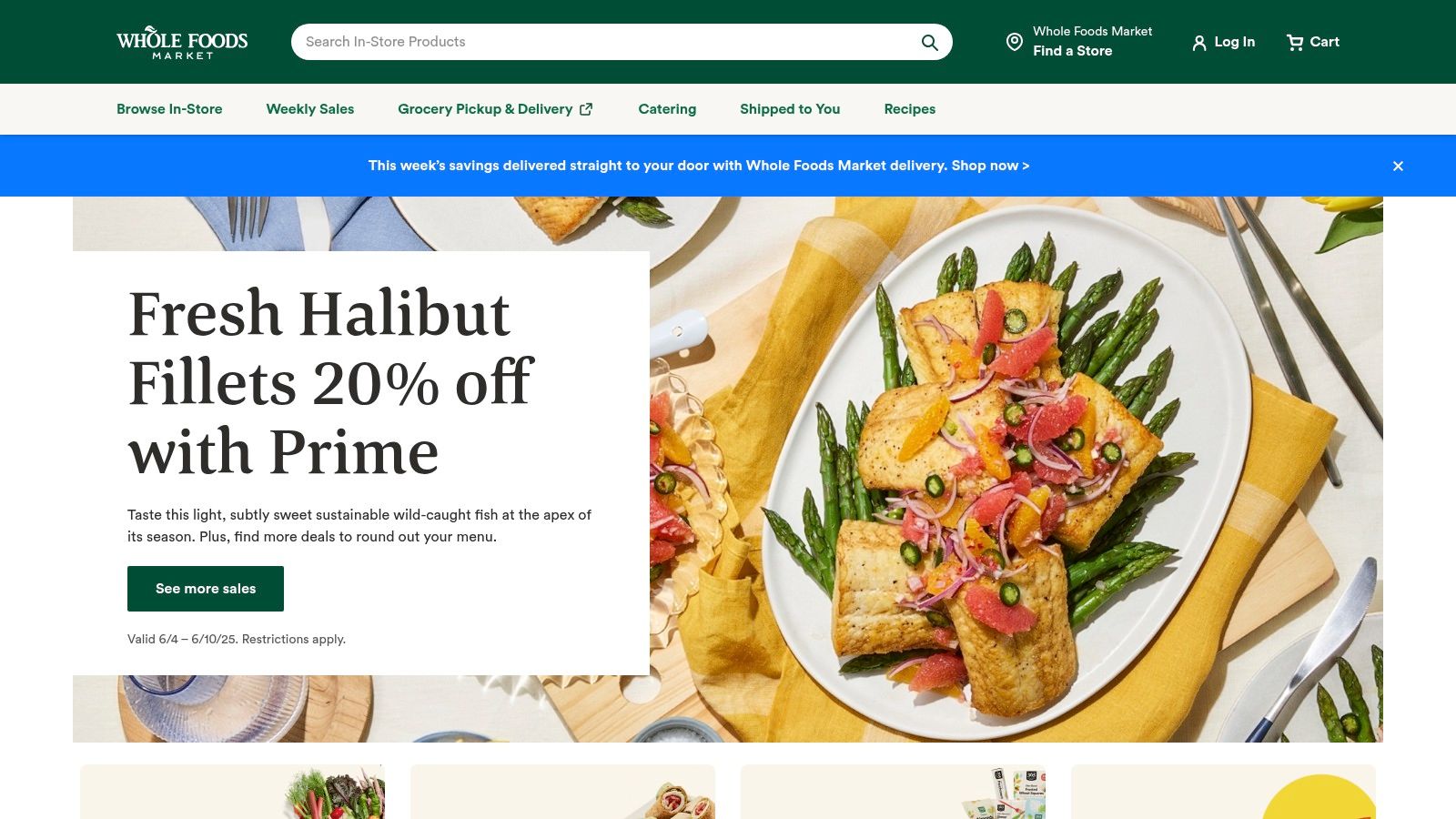
Whole Foods Market facilitates Bitcoin payments through the Spedn app and other integrated payment processors. This allows customers to seamlessly purchase groceries and other items using their Bitcoin holdings directly at the checkout counter in physical stores. This in-store functionality distinguishes Whole Foods from other retailers that may only accept Bitcoin online, offering a tangible real-world use case for the cryptocurrency.
For customers, the process is straightforward. After downloading the Spedn app, users can link their Bitcoin wallets. At checkout, they simply select the Spedn app as their payment method and scan a QR code to authorize the transaction. The integration with the Flexa network ensures real-time processing of payments, providing a smooth and efficient experience for both customers and cashiers. This streamlined process removes much of the friction often associated with cryptocurrency payments, making it a practical option for everyday purchases.
While the specific technical requirements are primarily centered around having a compatible smartphone and the Spedn app (or other supported crypto payment apps), there aren't any specific pricing implications related to using Bitcoin as a payment method itself. However, it's important to note that Whole Foods Market's prices for organic and natural products are generally higher than those found in conventional grocery stores. This price difference is independent of the payment method and reflects the premium nature of their product offerings.
Compared to other stores that accept Bitcoins, Whole Foods Market offers a unique advantage: the ability to use Bitcoin in a familiar brick-and-mortar retail setting. While some online retailers and smaller businesses have adopted Bitcoin, the widespread acceptance within a major grocery chain like Whole Foods signifies a significant step towards mainstream adoption. This provides a valuable real-world use case for Bitcoin, demonstrating its viability as a practical payment method for everyday purchases. This is especially appealing to Bitcoin supporters and the broader cryptocurrency community who are keen to see wider acceptance of digital currencies.
Implementing Bitcoin payments at Whole Foods is relatively simple for customers. Downloading the Spedn app is the first step, followed by linking your preferred Bitcoin wallet. For merchants considering accepting Bitcoin, observing Whole Foods Market’s integration strategy can offer valuable insights. Their collaboration with established payment processors and integration with the Flexa network demonstrates a viable model for larger businesses. However, it’s crucial for merchants to thoroughly research available solutions and choose a platform that aligns with their specific business needs and technical capabilities.
Pros of using Bitcoin at Whole Foods Market:
- Physical store Bitcoin payment option: Offers a tangible, real-world application of Bitcoin.
- High-quality organic and natural products: Provides access to a wide range of premium grocery items.
- Convenient mobile payment experience: Streamlines the payment process through user-friendly apps.
- Established grocery chain with a good reputation: Builds trust and confidence in the payment system.
Cons of using Bitcoin at Whole Foods Market:
- Requires specific mobile apps for payment: May pose a barrier for customers unfamiliar with or resistant to using mobile payment apps.
- Limited to physical store purchases: Cannot be used for online orders or deliveries.
- Higher prices compared to conventional grocery stores: Reflects the premium nature of their product offerings.
- Geographic limitations based on store locations: Accessibility depends on the availability of Whole Foods stores in a given area.
Website: https://www.wholefoodsmarket.com
Whole Foods Market’s adoption of Bitcoin as a payment method represents a significant step forward for cryptocurrency adoption. It offers a convenient and accessible way for customers to use their Bitcoin holdings for everyday purchases in a familiar retail setting. While there are some limitations, such as the requirement for mobile apps and the higher prices of goods, the overall experience offers a compelling use case for stores that accept Bitcoins and demonstrates the growing acceptance of digital currencies in the mainstream marketplace.
7. Home Depot
Home Depot, a leading home improvement retailer, offers a compelling albeit indirect way to use Bitcoin for your home renovation and construction needs. While not directly accepting Bitcoin at their point-of-sale systems, they provide avenues for Bitcoin enthusiasts to utilize their digital currency through third-party gift card platforms and select cryptocurrency payment apps. This allows customers to essentially convert their Bitcoin into usable spending power for everything from lumber and paint to power tools and appliances. For those looking to integrate cryptocurrency into their home improvement spending, Home Depot presents a viable option, making it worthy of inclusion on this list of stores that accept bitcoins.
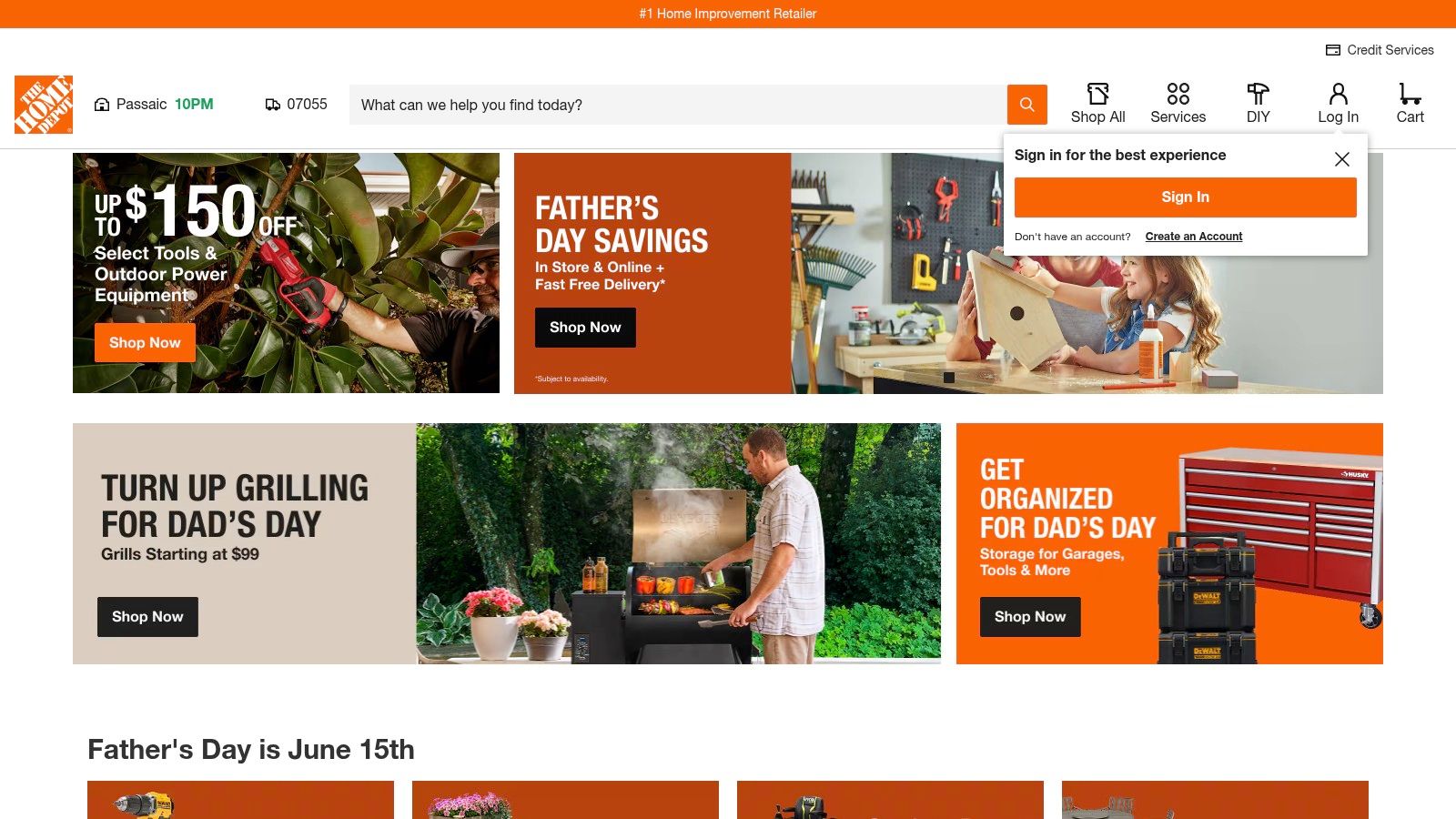
This approach offers a degree of flexibility for Bitcoin users. You can purchase Home Depot gift cards from various third-party platforms like BitPay or Gyft using your Bitcoin wallet. These gift cards can then be used for both online and in-store purchases, mirroring the experience of using a traditional gift card. Alternatively, certain Home Depot locations may accept payments through cryptocurrency payment apps, though this varies and isn't universally implemented. This dual approach caters to both the online shopper and the traditional brick-and-mortar customer.
For e-commerce merchants and brick-and-mortar retailers looking to explore cryptocurrency payment options, Home Depot's strategy provides a valuable case study. By integrating with established gift card networks and payment processors, businesses can offer Bitcoin acceptance without needing to overhaul their existing payment infrastructure. This is a more gradual approach compared to direct Bitcoin integration and can serve as a stepping stone towards fuller cryptocurrency adoption.
SaaS companies and subscription-based services, as well as digital content creators and online educators, can learn from Home Depot's indirect acceptance model. They can explore similar gift card integration to facilitate Bitcoin payments for their services, offering more payment choices to their customer base. Even non-profits, NGOs, and charities can utilize this method to broaden their donation channels and tap into the Bitcoin community.
The advantage of shopping at Home Depot using Bitcoin, even indirectly, is the vast inventory of home improvement products and services available. Whether you’re a professional contractor looking for specialized tools or a homeowner embarking on a DIY project, Home Depot likely has what you need. From lumber and drywall to appliances and smart home technology, the sheer breadth of products accessible via Bitcoin-purchased gift cards is a significant benefit.
However, it’s crucial to be aware of the drawbacks. The primary disadvantage is the indirect nature of Bitcoin acceptance. You are adding an extra step by first purchasing a gift card. This process might involve transaction fees on the third-party platform and potential delays while waiting for the gift card to be issued. Furthermore, not all Home Depot locations currently support cryptocurrency payment apps, leading to inconsistency and potential confusion for customers. Finally, gift card terms and conditions apply, so it’s important to familiarize yourself with those before purchasing.
Implementing this payment strategy is relatively straightforward. First, select a reputable third-party gift card platform that supports Bitcoin. Next, purchase a Home Depot gift card in the desired amount using your Bitcoin wallet. You’ll receive the gift card details, which you can then use during checkout on Home Depot’s website or present at a physical store. If using a cryptocurrency payment app, ensure the specific Home Depot location supports it before attempting to transact.
Compared to retailers that directly integrate Bitcoin payments, Home Depot’s approach is less streamlined. Direct integration allows for instantaneous transactions without the intermediary step of gift cards. However, Home Depot’s method offers a practical alternative for Bitcoin users in the meantime, providing access to a vast selection of home improvement products and services. The official Home Depot website (https://www.homedepot.com) offers more information about their products, services, and accepted payment methods. While this workaround may not be as seamless as direct Bitcoin integration, it serves as a valuable bridge for those seeking stores that accept bitcoins in the realm of home improvement.
8. Twitch
Twitch, the world's leading live streaming platform for gamers and other content creators, has carved a niche for itself in the digital economy. Owned by Amazon, it boasts a massive and highly engaged user base. What makes Twitch particularly interesting for those exploring the world of cryptocurrency is its acceptance of Bitcoin for a variety of services. This makes it a noteworthy entry in our list of stores that accept bitcoins, offering a unique and valuable application of this decentralized digital currency. This allows for direct, peer-to-peer transactions, bypassing traditional financial intermediaries, and offering both streamers and viewers greater control over their funds.
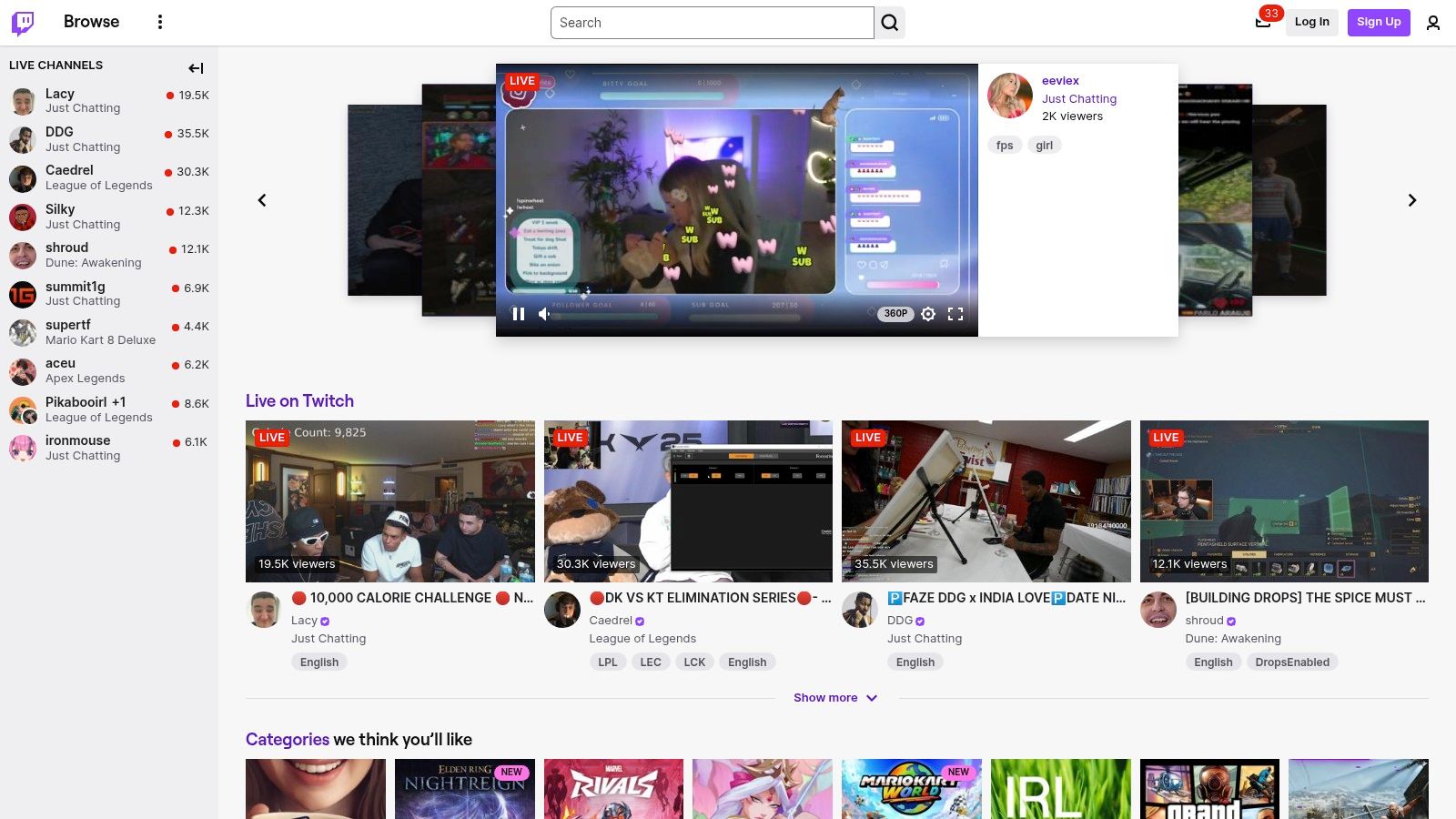
For content creators, Twitch offers a significant advantage: the ability to monetize their content directly through Bitcoin donations. This can be particularly appealing to creators who might be underserved by traditional payment methods or who operate in regions with limited banking infrastructure. Viewers, on the other hand, gain a seamless way to support their favorite streamers and access premium features using Bitcoin. This opens up a world of possibilities for microtransactions and direct support, fostering a stronger connection between creators and their communities.
One of the key features of Twitch's Bitcoin integration is its support for "Bits," a virtual currency used on the platform to cheer and support streamers. While Bits themselves aren't directly Bitcoin, some third-party extensions and integrations allow users to purchase Bits using Bitcoin, adding another layer of flexibility for those wishing to use cryptocurrency on the platform. This allows for more granular control over spending and adds another layer of convenience for users already familiar with Bitcoin transactions.
While Twitch doesn't publish specific pricing regarding Bitcoin transactions, the underlying transaction fees are typically determined by the chosen Bitcoin payment processor. These processors, which act as intermediaries facilitating the conversion of Bitcoin to fiat currency, usually charge a small percentage per transaction. Therefore, it's crucial for users to research and compare different processors to find the most cost-effective option.
Setting up Bitcoin payments on Twitch generally involves connecting your Twitch account to a supported cryptocurrency payment processor. This process usually requires creating an account with the chosen processor and verifying your identity. Once linked, viewers can select Bitcoin as a payment method when subscribing to channels, donating to streamers, or purchasing Bits. Streamers can then configure their settings to receive these Bitcoin payments.
Compared to platforms like YouTube, which have been slower to embrace cryptocurrencies, Twitch has taken a more proactive stance, offering a more integrated experience for Bitcoin users. While YouTube allows for some third-party crypto donation integrations, it lacks the direct support and streamlined functionality offered by Twitch. This positions Twitch as a forward-thinking platform in the digital content creation space, particularly appealing to those interested in exploring the potential of decentralized finance.
Implementing Bitcoin on Twitch is relatively straightforward, but some technical understanding of cryptocurrency wallets and transactions is beneficial. Users should familiarize themselves with concepts like private keys, transaction fees, and wallet security best practices. Additionally, staying informed about Twitch's platform policies regarding cryptocurrency is crucial, as these policies can be subject to change.
Pros of using Bitcoin on Twitch:
- Large User Base: Access to a massive audience of potential supporters and viewers.
- Multiple Use Cases: Utilize Bitcoin for subscriptions, donations, and purchasing Bits.
- Global Accessibility: Enables transactions from anywhere in the world.
- Direct Support for Creators: Provides a way for fans to directly support their favorite streamers.
Cons of using Bitcoin on Twitch:
- Limited to Digital Services: Bitcoin cannot be used for physical goods or services on Twitch.
- Platform Policies: Subject to changes in Twitch's terms of service regarding cryptocurrency.
- Account Setup: Requires account creation and verification with a payment processor.
- Transaction Fees: Fees may apply depending on the chosen payment processor.
Website: https://www.twitch.tv
For stores that accept bitcoins, Twitch stands out as a platform actively embracing cryptocurrency, offering a practical and engaging use case for both content creators and consumers. Its integration with Bitcoin provides a glimpse into the future of digital transactions and content monetization, making it a valuable addition to our list.
Bitcoin Acceptance Comparison of 8 Major Stores
| Merchant | Core Features ✨ | User Experience ★★★★☆ | Value Proposition 💰 | Target Audience 👥 | Unique Selling Points 🏆 |
|---|---|---|---|---|---|
| Overstock.com | Direct BTC payments, 1M+ products | Seamless checkout, BTC payment history | Discounts for BTC users | Mainstream online shoppers | Pioneer BTC merchant, large catalog |
| AT&T | BTC bill payments via BitPay | Reliable, no extra fees | Simplifies monthly bill payments | Telecom customers in US | Major utility accepting BTC, no fees |
| Microsoft | BTC for digital content, Xbox & Office subs | Multi-platform, trusted brand | Access to games, apps, subscriptions | Digital content consumers | Integrated across Microsoft ecosystem |
| Newegg | BTC via BitPay, electronics catalog | Detailed specs, tech-focused | Competitive tech pricing | Tech enthusiasts, gamers | Specialized electronics retailer |
| Shopify Stores | Multiple BTC payment processors supported | Mobile-optimized, diverse merchants | Easy BTC integration for merchants | Online store shoppers | Thousands of stores accepting BTC |
| Whole Foods Market | In-store BTC payments via Spedn & Flexa | Convenient mobile payments | Quality organic foods | Grocery shoppers in US | Physical store BTC acceptance, organic focus |
| Home Depot | BTC gift cards via 3rd party | Indirect BTC payments, some friction | Wide home improvement products | DIYers, contractors | Home improvement giant, multiple BTC options |
| Twitch | BTC for subscriptions, donations, bits | Real-time, global accessibility | Support for content creators | Streamers & viewers | Leading live streaming platform with BTC support |
The Future of Shopping with Bitcoin
The growing list of stores that accept bitcoins, including major players like Overstock.com, AT&T, Microsoft, Newegg, Shopify stores, Whole Foods Market, Home Depot, and Twitch, signifies a notable shift in the retail landscape. This article has highlighted how these forward-thinking businesses are leveraging the power of Bitcoin to tap into a new customer base and offer more payment options. Key takeaways include the increasing accessibility of Bitcoin payments for both consumers and businesses, the potential for global reach, and the emergence of efficient payment solutions. When considering implementing Bitcoin payments, merchants should evaluate factors like transaction fees, processing speed, security, and ease of integration with existing systems. Choosing the right tools is crucial for a smooth and successful transition.
As more stores that accept bitcoins emerge, the need for reliable and secure payment processing solutions becomes even more critical. For businesses looking to seamlessly integrate Bitcoin payments, tools like Flash offer a robust and streamlined experience. This progress paints an exciting picture of the future of commerce, one where Bitcoin and other cryptocurrencies play an integral role in how we buy and sell goods and services.
Ready to accept Bitcoin and unlock the potential of cryptocurrency payments for your business? Explore the power of Flash, a leading Bitcoin payment software provider, and start accepting Bitcoin today! Flash