Let's get right to it. A hardware wallet is essentially a high-security vault for your cryptocurrency, but one that fits neatly in the palm of your hand. It's a small physical device built for one core purpose: to keep the private keys that control your crypto completely offline and shielded from internet-based threats.
Your Digital Fortress: What Is a Hardware Wallet?
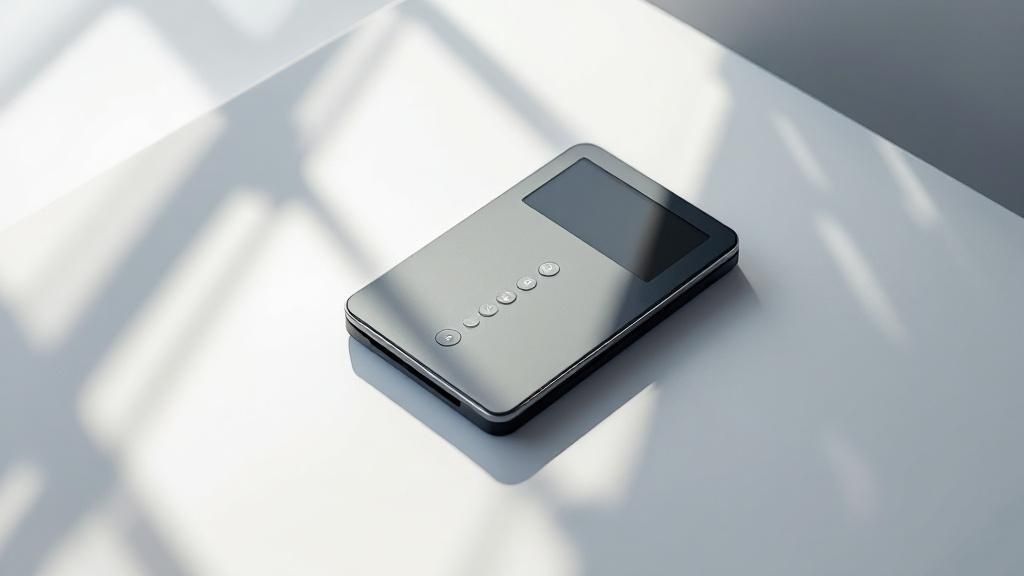
Think of it this way: your computer or phone can catch a virus, but a hardware wallet is engineered to be immune. To spend your crypto, you have to physically press buttons on the device itself. This simple, tactile action creates a powerful barrier against remote hackers, making it the undisputed gold standard for securing digital assets over the long haul.
This method of offline storage is what people in the crypto world call "cold storage." The entire idea is to create an "air gap"—a total separation—between your private keys and the internet, which is where all the nasty things like malware and phishing attacks live.
The whole point of a hardware wallet is to make sure your private keys never, ever touch a device connected to the internet. This separation is the secret sauce to its superior security, keeping your assets safe from digital thieves.
The Growing Need for Offline Security
As more people jump into digital assets, the demand for these ultra-secure devices has exploded. The hardware wallet market was already valued at an estimated USD 474.7 million and is on track to hit USD 2,435.1 million by 2033. This isn't just a niche trend; it shows a massive shift in awareness about the risks of keeping funds in online "hot wallets."
So, what makes them so vital? It all comes down to how they approve transactions.
- You start a transaction on your computer or phone app.
- The transaction details get sent to the hardware wallet, but your private keys stay locked inside the device’s secure chip.
- You must physically confirm the transaction details (the amount and the recipient's address) on the wallet's own screen and press a button to approve it.
- Only then is the signed, secure transaction sent back to your computer to be broadcast to the network.
This process ensures that even if your computer is riddled with spyware, a hacker has no way to steal your keys or sign a transaction on your behalf. They can't press the button.
To give you a quick overview, here are the core features that set hardware wallets apart.
Hardware Wallets At a Glance
| Core Feature | What It Means For You |
|---|---|
| Offline Key Storage | Your keys are never exposed to the internet, making them safe from hackers. |
| Secure Element Chip | A specialized chip protects your keys from physical tampering and extraction. |
| Physical Confirmation | You must physically press a button to approve any transaction. No remote theft. |
| Device Screen | You can verify the transaction amount and address on a trusted, tamper-proof screen. |
| Recovery Seed | If your device is lost or broken, you can restore your funds on a new wallet. |
Ultimately, these features work together to create a nearly foolproof system for self-custody.
Navigating the Terminology
As you dive deeper into crypto security, you're going to run into a lot of new lingo. To really get a handle on the language of the decentralized web, checking out a comprehensive Web3 Dictionary is a huge help. Getting comfortable with terms like "private keys," "cold storage," and "blockchains" is the first step to truly understanding why hardware wallets are so incredibly effective.
How a Hardware Wallet Protects Your Crypto
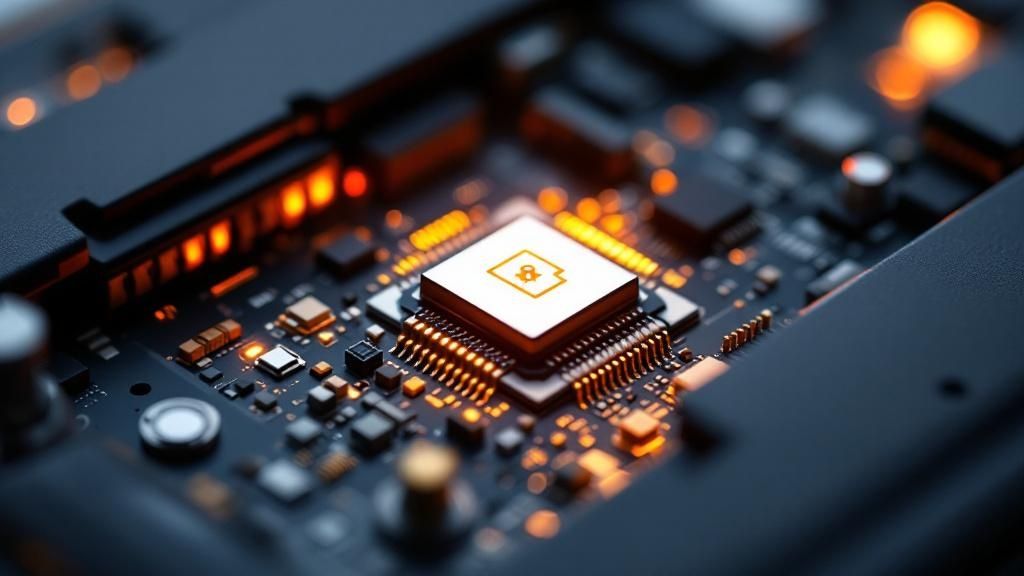
To really get what makes a hardware wallet so tough to crack, we need to look at how it shields your assets from the moment you take it out of the box. The real magic is in its blend of physical separation from the internet and a hands-on verification process that puts you squarely in the driver's seat.
The whole process kicks off during the initial setup. Right away, the device guides you through two vital steps: setting up a PIN code and generating a recovery phrase.
This recovery phrase—usually a list of 12 or 24 random words—is the ultimate master key to your entire crypto portfolio. It's crucial that you write this phrase down and stash it somewhere safe and offline. It's the only lifeline you have if your device ever gets lost, broken, or stolen.
The Signing Process Explained
So, what happens when you actually want to spend your crypto? Let’s say you want to send some Bitcoin to a friend. The entire procedure is designed for security, unfolding in a very specific sequence.
Initiation: You'll start by creating the transaction on your computer or phone using a companion app, like Ledger Live or Trezor Suite. Here, you input the recipient's address and the amount. At this point, your computer might be compromised, but your crypto is still perfectly safe.
Verification: The transaction details are then sent over to your connected hardware wallet. This is the most important part of the entire process. The wallet's built-in screen will show you the key details—the recipient's address and the exact amount—so you can verify everything is correct.
Confirmation: If it all checks out on the device's screen, you physically press a button on the hardware wallet itself to approve the transaction. This action uses your private key, which is locked away inside a special secure chip on the device, to cryptographically "sign" the transaction.
Broadcast: Only the signed transaction—a secure, tamper-proof piece of data—is sent back to your computer. Your computer then simply broadcasts this signed transaction to the blockchain for processing.
The key takeaway? Your private key never, ever leaves the hardware wallet. That is the fundamental principle that makes it so secure.
Think of it like signing a top-secret legal document. Instead of signing it on a desk in a public cafe, you take it into a locked bank vault. You sign it inside, and then pass only the signed document back out through a small slot. The pen you used (your private key) never leaves the vault.
The Importance of On-Device Verification
This physical, on-device verification is your best defense against the most common online crypto scams. Even if your computer is riddled with malware that sneakily swaps the recipient's address in the software, you'd immediately spot the mismatch on your hardware wallet's trusted screen before you approve anything.
A good hardware wallet is built to show you exactly what you are signing. At a bare minimum, a secure device must display:
- The Destination Address: The specific wallet or smart contract you are sending funds to.
- The Transaction Amount: The precise value of the assets being moved.
- The Network Fee: The cost to have the transaction processed on the blockchain.
By forcing you to confirm these details on the device itself, hardware wallets create a protective "air gap" that stops hackers from draining your funds remotely. This simple but incredibly powerful design is why experts agree that hardware wallets are the gold standard for securing digital assets and the definitive answer to the question of what are hardware wallets.
The Security Benefits of True Cold Storage
When you start getting serious about your crypto holdings, the conversation inevitably turns to hardware wallets. And for good reason. Experts don't just recommend them; they insist on them. This isn't just about keeping your keys "offline"—it's about building a nearly impenetrable fortress around your digital assets.
This level of security is what we call true cold storage. It’s your ticket to complete immunity from the most common—and most devastating—online attacks.
Your computer, by its very nature, is a gateway to the internet and all its dangers. Malware, sneaky keyloggers, and viruses are constantly hunting for software wallets to drain. A hardware wallet, on the other hand, is a specialized device with a single job. Its minimal operating system makes it a frustratingly difficult and unattractive target for hackers.
This growing awareness is why the hardware wallet market, currently valued around USD 348 million, is expected to explode to nearly USD 2.9 billion by 2032. As detailed in Intel Market Research's analysis, this growth is driven by the simple but powerful principle of storing keys offline and forcing users to physically confirm every single transaction.
The Power of Physical Confirmation
Here’s where the real magic happens. The single most brilliant feature of a hardware wallet is its requirement for physical confirmation. This simple, hands-on step makes you virtually immune to the sophisticated phishing scams that drain the accounts of countless crypto users.
Picture this: a hacker has managed to infect your computer with malware. You copy a wallet address to send a payment, but the malware secretly swaps it with the hacker's address. With a software wallet, you might click "confirm" without a second thought, and your crypto is gone forever.
A hardware wallet stops this scam cold. The device’s own secure, trusted screen will display the hacker's address, not the one you thought you were sending to. You'd spot the mismatch instantly, hit "cancel," and your funds would remain perfectly safe.
A Tale of Two Investors
To really drive this home, let's look at two investors, Alex and Ben. A clever phishing email lands in both their inboxes, and a single click installs malware on their computers.
Ben’s Story (Software Wallet): The malware waits patiently. When Ben opens his software wallet to make a transaction, it springs into action, swapping the recipient's address behind the scenes. Ben glances at his computer screen, confirms the transaction, and unknowingly sends his funds straight to the hacker. Everything is lost.
Alex’s Story (Hardware Wallet): The same malware infects Alex's computer. When he goes to send his crypto, the malware tries the exact same address-swapping trick. But before the transaction can be finalized, Alex must physically approve it on his hardware wallet. He glances at the device's screen, sees the address is wrong, and immediately cancels the transaction. His funds are 100% secure.
This is the core promise of a hardware wallet. It doesn't matter if your computer is riddled with malware. The physical "air gap" and the mandatory button press create a final, unbreakable checkpoint that puts you in absolute control.
This fundamental security advantage is precisely why anyone serious about protecting their digital wealth ultimately turns to a hardware wallet. It’s more than just a gadget; it's peace of mind, knowing you hold the only physical key to your digital vault.
Comparing Hardware, Software, and Exchange Wallets
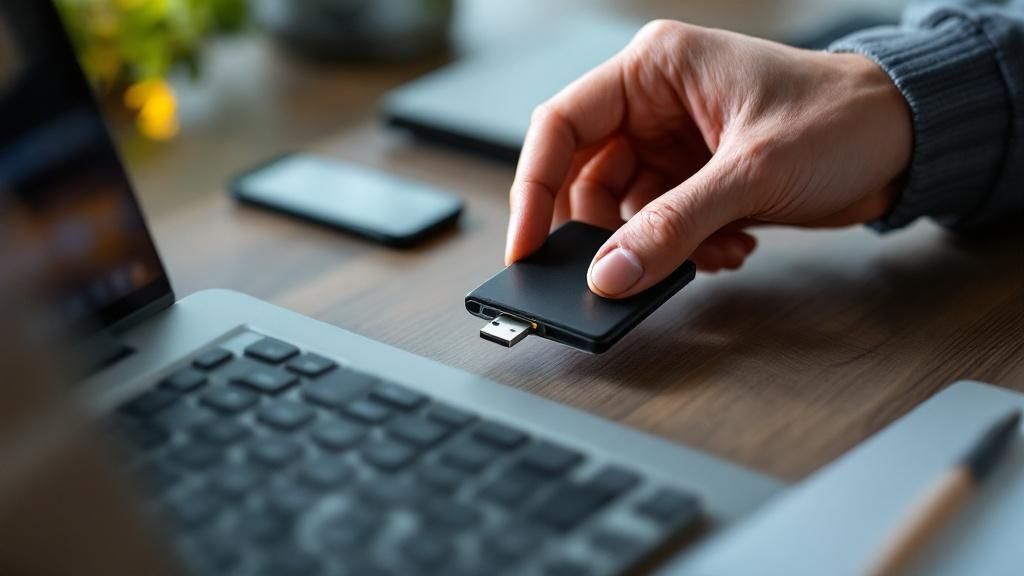
Protecting your crypto assets starts with one critical decision: where you store them. The wallet you choose isn't just a minor detail; it directly defines your security, convenience, and—most importantly—your control. It's a constant balancing act, and each type of wallet is built for a different kind of user with very different priorities.
Let's break down the three main players in the crypto storage game: hardware, software, and exchange wallets. They all have a role, but when it comes to keeping your funds safe for the long haul, they are far from equal.
H3 Exchange Wallets: For Active Traders
When you first buy crypto on an exchange, it usually lands in an exchange wallet. This is a custodial account, which is a fancy way of saying the exchange holds your private keys for you. Think of it exactly like a traditional bank account—you’re trusting a third party to look after your money.
While this setup is incredibly convenient for making quick trades, it comes with a massive catch. You don't truly own your crypto because you don't control the keys. If that exchange gets hacked, faces regulatory shutdown, or goes bankrupt, your funds could be gone forever. It’s the ultimate high-risk, high-convenience option.
H3 Software Wallets: For Daily Spenders
A significant step up in security and control is the software wallet, often called a "hot wallet." These are applications you install on your computer or phone, and they put you in charge of your own private keys. They're fantastic for beginners and for managing small amounts of crypto for frequent, everyday transactions.
The trade-off? Because these wallets live on internet-connected devices, they’re constantly exposed to malware, viruses, and phishing scams. A single infected file or a convincing fake email could be all it takes for a hacker to drain your wallet. This vulnerability makes them a poor choice for storing any significant amount of wealth.
A hardware wallet is the only option that keeps your private keys completely offline, offering sovereign control and the highest level of security. While other wallets offer convenience, they do so by making a direct trade-off with your safety.
H3 Hardware Wallets: For Serious Investors
This brings us to hardware wallets, the definitive solution for anyone serious about securing their crypto. These are physical devices that store your private keys on a specialized, secure chip, completely cut off from online threats. They are purpose-built for long-term investors and anyone who prioritizes the safety and sovereignty of their assets above all else. This is the core answer to the question, what are hardware wallets.
To truly grasp the differences, you need to see how these options measure up against each other.
H3 Wallet Comparison: Security vs. Convenience
Choosing the right wallet is about matching the tool to your specific needs. Are you a day trader, a casual user, or a long-term holder? The table below lays out the crucial trade-offs between the main wallet types to help you decide.
| Criteria | Hardware Wallet (Cold) | Software Wallet (Hot) | Exchange Wallet (Custodial) |
|---|---|---|---|
| Security | Maximum: Keys are offline and isolated from internet threats. | Medium: Keys are on a connected device, vulnerable to malware. | Low: Keys are held by a third party, a prime target for hackers. |
| Control | Full Control: You own your private keys and have total sovereignty. | Full Control: You hold your keys but rely on device security. | No Control: The exchange owns your keys; "not your keys, not your crypto." |
| Convenience | Medium: Requires a physical device for every transaction. | High: Very easy and fast for daily transactions. | Very High: Seamless for trading directly on the platform. |
| Best For | Long-term investors, storing significant value, and security purists. | Beginners, frequent small spenders, and daily users. | Active traders who accept risk for speed and platform integration. |
Ultimately, your strategy dictates your wallet choice. For small, "walking around" money, a software wallet might be perfectly fine. For active trading, an exchange wallet is practically a necessity.
But for securing your wealth and ensuring it's there for the future? Nothing comes close to the peace of mind that a hardware wallet provides.
How to Choose the Right Hardware Wallet
Picking the right hardware wallet is one of the most important decisions you'll make in your crypto journey. With more devices hitting the market every year, it’s easy to get lost in the options. But by zeroing in on a few key factors, you can confidently choose a device that’s a perfect match for your needs.
There's no denying the surging demand for these little security fortresses. The global hardware wallet market, currently valued around USD 348.4 million, is expected to skyrocket to USD 1,527.6 million by 2032. This isn’t just a niche trend; it’s a clear signal that more and more investors are getting serious about protecting their assets. You can find more data on this incredible growth and what's fueling it.
This explosion in popularity gives you more choices than ever, but it also means you need to be more careful.
Your Essential Buying Checklist
Before you click "buy," take a moment to run through this simple checklist. Answering these questions will quickly filter out the noise and point you straight to the best wallet for you.
- Cryptocurrency Support: Does the wallet actually support every coin and token you hold or plan to buy? This seems obvious, but it's a common mistake. Always double-check the manufacturer's official list of supported assets before you purchase.
- Ease of Use: How comfortable are you with the tech? Some wallets, like Ledger, are known for their polished, app-driven experience that’s great for beginners. Others might have a steeper learning curve but appeal to more technical users.
- Brand Reputation and Philosophy: What's the company's story and what do they stand for? Brands like Trezor are famous for their open-source approach, which means anyone can audit their code for vulnerabilities. Other companies prioritize a seamless, closed-ecosystem experience.
- Security Features: Does the wallet have a secure element chip? Think of this as a dedicated, tamper-resistant vault inside your device. It’s a specialized microprocessor built to withstand physical attacks and keep your private keys locked down, offering a much higher level of protection.
The Golden Rule of Buying a Hardware Wallet
If you only remember one thing from this article, make it this. NEVER, under any circumstances, buy a hardware wallet from a third-party seller. That means no Amazon, no eBay, and no random electronics shop.
Always purchase your hardware wallet directly from the official manufacturer's website. This is the only way you can be absolutely certain the device hasn't been tampered with or pre-configured by a scammer to drain your funds.
A box that looks factory-sealed can still hold a compromised device. Scammers are clever—they might intercept shipments, replace the device, or sell ones where they've already written down the recovery phrase. By ordering straight from the source, you ensure you get a genuine, untouched product. This one simple rule is non-negotiable for safeguarding your crypto.
Alright, you're getting serious about securing your crypto and thinking about a hardware wallet. It's totally normal to have a few nagging questions before you pull the trigger. After all, understanding how these little devices handle the real world is what builds real confidence.
Let's walk through some of the most common "what if" scenarios people worry about before they finally make the jump to true cold storage.
What Happens If I Lose or Break My Hardware Wallet?
This is the big one, the number one fear for almost every new user. And the answer is a huge relief. If your device gets lost, stolen, or just gives up the ghost, your crypto is completely safe.
Here's why: your funds never actually live on the physical device itself. They're on the blockchain. The wallet is just a fancy key ring that holds the private keys needed to access them.
As long as you have the secret recovery phrase you wrote down during setup, you can simply grab a new hardware wallet (it can even be from a different brand!) and restore full access to all of your assets. This is why that little piece of paper or metal with your recovery words on it is the single most important thing you own in crypto. It’s your ultimate backup.
Can a Hardware Wallet Get a Virus?
Nope. A hardware wallet can't catch a virus like your computer or phone can. These things are purpose-built and incredibly simple. They are designed to do one thing and one thing only: sign transactions securely.
They don't have complex operating systems, you can't install apps on them, and they don't connect directly to the internet. This stripped-down, specialized design makes them a terrible place for the malware and spyware that love to infect general-purpose devices.
Your hardware wallet is designed as a one-trick pony, and that single trick is security. Its simplicity is its greatest strength, creating a hostile environment for the viruses and malware that thrive on complex, internet-connected systems.
Do I Have to Pay Fees to Use a Hardware Wallet?
Once you buy the device, that's it. There are no ongoing or monthly fees to simply use and hold your crypto on a hardware wallet.
The only other costs you’ll ever see are the standard network transaction fees that are part of using any blockchain. When you send Bitcoin or interact with a smart contract on Ethereum, for example, you pay a small fee to the miners or validators who process and secure your transaction. These fees have nothing to do with the hardware wallet manufacturer and are just part of how crypto works. Receiving crypto is always free (the sender pays the network fee).
Are Hardware Wallets Only for Bitcoin?
Not anymore! It's true that the very first hardware wallets were built with only Bitcoin in mind, but the space has come a long way since then. Today's leading hardware wallets are multi-currency powerhouses that can manage the private keys for hundreds, sometimes even thousands, of different cryptocurrencies.
Modern devices support a huge range of digital assets, including:
- Major Blockchains: Like Ethereum, Solana, and Cardano.
- Altcoins and Tokens: Covering a massive spectrum of the crypto market.
- NFTs: Many wallets now include dedicated support for securely storing your non-fungible tokens.
Before you buy, it’s always a good idea to pop over to the manufacturer's official website. They'll have a complete, up-to-date list of every coin they support, so you can make sure the wallet you pick is the perfect home for your entire portfolio.
Ready to secure your business and accept Bitcoin payments directly and safely? Flash provides wallet-to-wallet payment solutions that keep you in full control. Integrate instant, low-fee Bitcoin payments today at .