Unlocking the Power of Bitcoin: Where Can You Spend It?
Want to know what businesses accept Bitcoin? Finding merchants who accept cryptocurrency can be challenging. This list provides ten places where you can spend your Bitcoin, highlighting its growing acceptance. Discover how companies like Microsoft, Overstock, and even AT&T are incorporating Bitcoin payments, making it easier than ever to use this digital currency. From retail and travel to tech and groceries, see how Bitcoin is being integrated into diverse sectors.
1. Microsoft
Microsoft stands out as a pioneering force among major corporations embracing Bitcoin. As one of the first tech giants to integrate Bitcoin payments, Microsoft allows users to add Bitcoin to their Microsoft account balance. This stored value can then be used to purchase a variety of digital content across the Microsoft ecosystem, including apps, games, movies, and more from the Microsoft Store, Xbox Store, and Windows Store. This integration offers a glimpse into the potential for wider Bitcoin adoption by mainstream businesses and showcases the practical application of cryptocurrency in everyday transactions. If you're exploring what businesses accept bitcoin, Microsoft is a significant example of a company leveraging its technology to facilitate digital currency payments.

The ability to use Bitcoin within the Microsoft ecosystem offers significant advantages for Bitcoin holders. It provides a practical way to utilize cryptocurrency for entertainment and productivity purchases, eliminating the need for conversion back to fiat currency for these transactions. This can be particularly appealing to those who hold Bitcoin as an investment and wish to use it directly for purchases. Imagine using the profits from your Bitcoin investments to purchase the latest game release on Xbox or a new productivity app for your Windows device. This is the kind of seamless integration that Microsoft’s system allows.
Microsoft's implementation makes adding Bitcoin to your account relatively straightforward. While specific pricing for products remains in their respective currencies (USD, EUR, etc.), the Bitcoin payment option simply deducts the equivalent Bitcoin amount from your account balance at the current exchange rate. There are no additional fees levied by Microsoft for using Bitcoin as a payment method. However, it’s important to be aware that typical blockchain transaction fees may apply depending on the wallet you use to transfer Bitcoin to your Microsoft account.
For businesses considering accepting Bitcoin, Microsoft's approach provides a valuable case study. The account balance system allows for a simplified integration without requiring each individual product listing to handle Bitcoin directly. This can be a more manageable approach for businesses looking to dip their toes into cryptocurrency payments. Think of it like a gift card system, but using Bitcoin. This model could be replicated by other businesses wishing to offer Bitcoin as a payment option without overhauling their existing payment infrastructure.
While Microsoft's embrace of Bitcoin is a positive step, there are some limitations. Notably, Bitcoin payments are restricted to digital products and services. Hardware purchases, such as Xbox consoles or Surface laptops, cannot be made with Bitcoin. Furthermore, Microsoft has occasionally suspended Bitcoin payments in the past, citing volatility and processing issues. This underscores the need for businesses to have contingency plans in place should they choose to accept cryptocurrency. Geographic restrictions can also apply, meaning Bitcoin payments may not be available in all regions. Always check Microsoft's latest support documentation for the most up-to-date information on availability and any restrictions.
Compared to other businesses accepting Bitcoin, Microsoft offers a more streamlined and integrated experience, particularly for existing users of their ecosystem. While some businesses may directly accept Bitcoin at checkout, Microsoft’s account balance system offers a user-friendly approach that avoids the complexities of managing individual Bitcoin transactions for each purchase. For example, while some online retailers might require users to interact with a third-party payment gateway for Bitcoin transactions, Microsoft keeps everything within its own ecosystem.
For those interested in using Bitcoin for their Microsoft purchases, the setup is simple. Navigate to your Microsoft account payment options and select the "Add Bitcoin" option. You’ll be provided with a unique Bitcoin address to send your Bitcoin to. Once the transaction is confirmed on the blockchain, the equivalent value will be added to your Microsoft account balance, ready to be used for purchases.
In conclusion, Microsoft's adoption of Bitcoin offers a practical example of how large corporations can integrate cryptocurrency payments. While limitations remain, its inclusion in their payment options legitimizes Bitcoin as a viable currency for digital goods and services, paving the way for broader acceptance and further integration in the future. For anyone wondering "what businesses accept bitcoin," Microsoft is undoubtedly a significant and influential player in the space.
2. Overstock.com
Overstock.com stands out as a pioneering force in the world of cryptocurrency adoption. As one of the first major online retailers to embrace Bitcoin back in 2014, they've established a strong reputation among Bitcoin users and have paved the way for other businesses considering accepting cryptocurrency. This forward-thinking approach to payments makes Overstock an important player for anyone researching what businesses accept bitcoin. They provide a practical and accessible way for consumers to use their cryptocurrency for everyday purchases, effectively bridging the gap between digital assets and the retail world. This commitment to crypto acceptance is a key reason for their inclusion on this list.
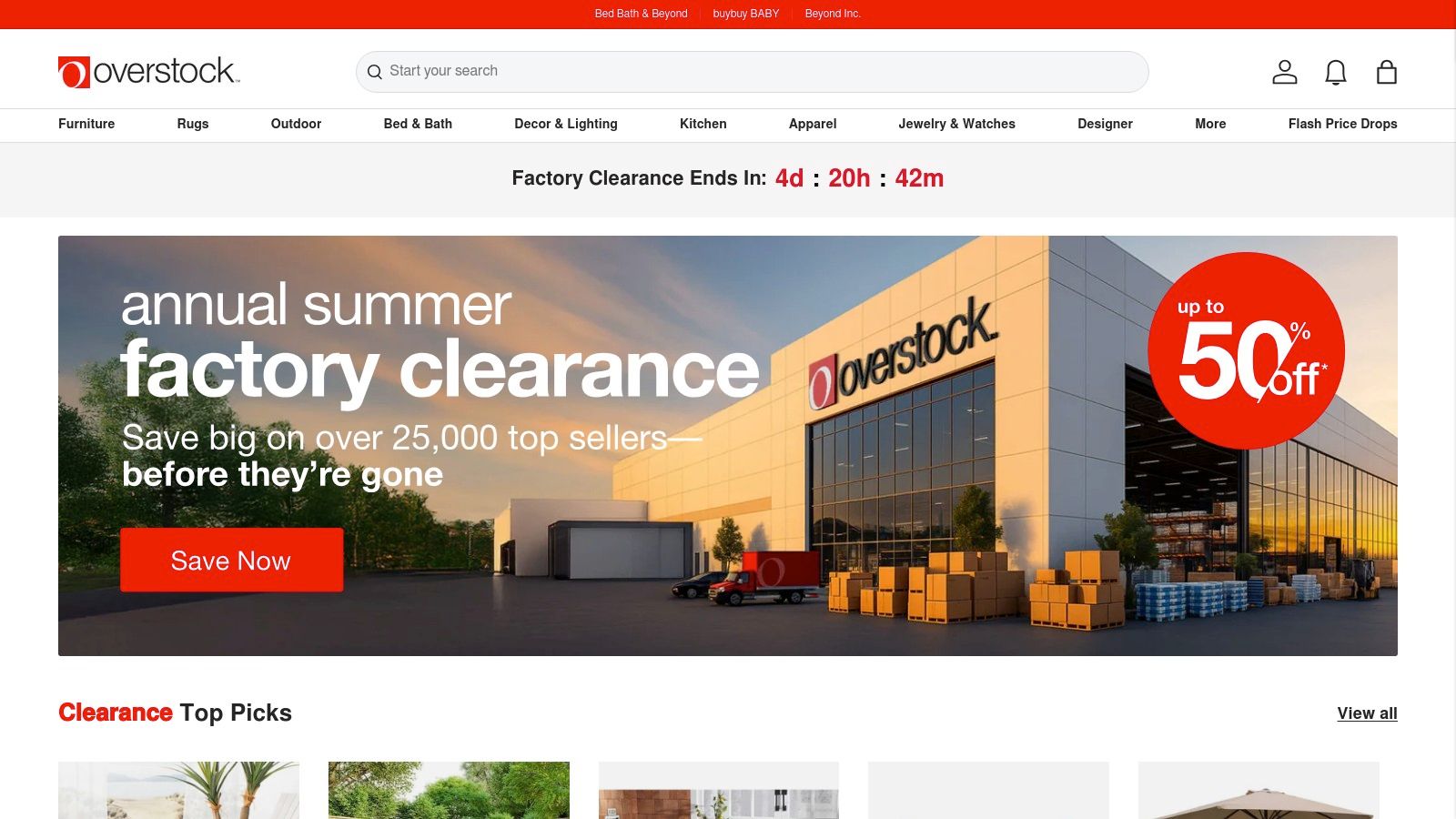
Overstock's extensive product catalog is one of its most significant advantages. They offer a wide variety of goods, ranging from furniture and home decor to electronics, jewelry, clothing, and much more. This breadth of selection caters to a broad consumer base and increases the practical applications of Bitcoin for everyday spending. Whether you're furnishing a new apartment, upgrading your tech gadgets, or simply looking for a new outfit, you can likely find what you need on Overstock and pay with Bitcoin.
The process of paying with Bitcoin on Overstock is designed to be straightforward. During checkout, customers can select Bitcoin as their payment method. They are then redirected to a secure payment gateway where they can complete the transaction. Overstock leverages Coinbase Commerce for processing these payments, a reputable and reliable platform in the cryptocurrency space. While specific technical requirements may vary slightly depending on the user's Bitcoin wallet, the overall process is user-friendly, even for those relatively new to crypto payments.
One of the compelling aspects of shopping with Bitcoin on Overstock is the potential for discounts and promotional offers specifically targeted towards cryptocurrency users. This can provide further incentive for Bitcoin holders to choose Overstock over other retailers. Combined with competitive pricing and frequent sales events, this crypto-friendly strategy reinforces Overstock's position as a leader in Bitcoin adoption.
Overstock also supports international shipping, which is a considerable benefit for a global audience of Bitcoin users. This feature extends the accessibility of their platform and caters to a diverse customer base. Furthermore, their mobile app offers integrated Bitcoin payment support, providing a convenient and seamless shopping experience for users on the go.
While Overstock presents a strong case for Bitcoin adoption in e-commerce, it's also important to consider some potential drawbacks. Their primarily online presence means they have a limited number of physical stores. Shipping costs, particularly for larger items like furniture, can also be a significant factor. Additionally, the return policy can be more complex for purchases made with Bitcoin compared to traditional payment methods. Finally, as with many large online marketplaces, product quality can vary depending on the specific supplier.
Compared to other businesses accepting Bitcoin, Overstock distinguishes itself through its early adoption, wide product selection, and proactive approach to catering to the cryptocurrency community. While other platforms might offer niche products or services payable with Bitcoin, Overstock’s comprehensive catalog caters to a broader range of everyday needs. This makes them a significant player in the quest to make Bitcoin spending more mainstream.
For businesses considering accepting Bitcoin, Overstock serves as a successful case study. Their implementation showcases the potential benefits of integrating cryptocurrency payments, demonstrating how it can attract a new customer base and establish a company as forward-thinking and innovative. Their experience provides valuable insights for businesses looking to navigate the world of cryptocurrency adoption.
In conclusion, Overstock's commitment to Bitcoin makes it a valuable resource for anyone exploring what businesses accept bitcoin. Their long-standing acceptance of cryptocurrency, combined with a diverse product range and user-friendly payment process, solidifies their position as a key player in the ongoing integration of digital currencies into mainstream commerce. https://www.overstock.com
3. AT&T
AT&T holds a significant position in the list of businesses that accept Bitcoin, marking a pivotal moment for cryptocurrency adoption. In 2019, they became the first major U.S. mobile carrier to embrace Bitcoin payments, opening doors for millions of customers to use digital currency for essential services. This move signifies a growing acceptance of Bitcoin as a legitimate form of payment and demonstrates AT&T's forward-thinking approach. If you’re looking for examples of what businesses accept Bitcoin, AT&T is a prominent one, paving the way for other telecommunications giants.
This integration allows AT&T customers to pay their monthly wireless, internet, and TV bills using Bitcoin. This is a practical application for Bitcoin holders, enabling them to manage everyday expenses with their digital assets. Instead of converting Bitcoin to fiat currency and then paying bills, they can directly use their cryptocurrency holdings. This convenience factor is a significant driver for adoption, especially among those who prefer to transact primarily in Bitcoin. For businesses exploring Bitcoin acceptance, AT&T's implementation offers valuable insights.
AT&T utilizes BitPay, a third-party payment processor, to facilitate Bitcoin transactions. Customers access the online payment portal, select BitPay as their payment method, and are then redirected to the BitPay platform to complete the transaction. This integration provides a seamless and secure payment experience, leveraging BitPay’s established infrastructure. While AT&T manages the services and billing, BitPay handles the complexities of Bitcoin transactions, ensuring security and regulatory compliance.
While AT&T doesn't publish specific pricing related to Bitcoin transactions, using a third-party processor like BitPay typically means the customer might incur small transaction fees. These fees are generally charged by the processor and are not specific to AT&T. It's essential for customers to understand these potential costs before opting for Bitcoin payments. It is recommended to check BitPay’s fee structure for the most up-to-date information.
Currently, Bitcoin payments are limited to bill payments. Customers cannot purchase devices or other physical goods from AT&T using Bitcoin. This limitation restricts the full potential of Bitcoin adoption within the AT&T ecosystem. However, the acceptance of Bitcoin for core services is a significant first step and may pave the way for broader acceptance in the future. For those asking, "what businesses accept Bitcoin for all purchases?", AT&T isn't there yet, but its current adoption makes it a crucial player in the space.
Here's a summary of the pros and cons of using Bitcoin with AT&T:
Pros:
- First major telecom to accept Bitcoin: This sets a precedent for the industry and increases visibility for Bitcoin as a viable payment method.
- Essential service payment option: Paying for essential services like phone and internet with Bitcoin offers practical utility for cryptocurrency holders.
- Established payment infrastructure: Utilizing BitPay provides a secure and reliable platform for processing Bitcoin transactions.
- Large customer base adoption potential: AT&T's massive customer base represents a significant opportunity for broader Bitcoin adoption.
Cons:
- Limited to bill payments only: The inability to purchase devices with Bitcoin limits the full potential of this payment option.
- No Bitcoin payments for device purchases: This restriction can be inconvenient for customers who prefer to transact exclusively in Bitcoin.
- Third-party payment processor fees: BitPay transaction fees can add to the overall cost of the service.
- Limited customer service for crypto issues: Troubleshooting Bitcoin-related issues might require interaction with both AT&T and BitPay, potentially complicating the support process.
Despite the limitations, AT&T's acceptance of Bitcoin is a significant development. It provides valuable real-world use cases for cryptocurrency and signals a growing acceptance within mainstream industries. For businesses considering accepting Bitcoin, AT&T's implementation offers a valuable case study. It demonstrates how a large corporation can integrate Bitcoin payments while leveraging existing payment infrastructure. The move has the potential to influence other businesses and further normalize cryptocurrency use.
For AT&T customers interested in using Bitcoin, simply log in to your account on https://www.att.com and navigate to the payment portal. Select BitPay as your payment option and follow the instructions to complete the transaction. Remember to factor in potential transaction fees charged by BitPay.
4. Expedia: Book Your Hotel Stays with Bitcoin
Expedia, a leading name in the online travel industry and one of the businesses that accept Bitcoin, offers a convenient way for Bitcoin holders to book hotel accommodations around the globe. This feature makes Expedia a noteworthy entry on our list of businesses accepting Bitcoin, catering specifically to the travel needs of the growing cryptocurrency community. Whether you're an eCommerce merchant looking for a business trip accommodation, a Bitcoin enthusiast planning a vacation, or a digital nomad exploring the world, Expedia's Bitcoin payment option can simplify your travel planning.
For businesses operating with Bitcoin, like eCommerce merchants or those in the SaaS industry, Expedia's integration of Bitcoin payments offers a streamlined solution for booking business trips. This simplifies expense management, eliminates the need for currency conversion, and potentially offers cost savings, directly addressing a practical business need within the Bitcoin economy.
While Expedia had briefly suspended Bitcoin payments in 2018, the feature has been reinstated, demonstrating a renewed commitment to providing flexible payment choices to its customers. This reinforces Expedia's forward-thinking approach and recognition of the growing acceptance of cryptocurrencies like Bitcoin. By accepting Bitcoin, Expedia directly caters to a segment of the market interested in using their digital assets for real-world transactions, further driving the adoption of Bitcoin in everyday commerce.
How it Works:
Booking a hotel with Bitcoin on Expedia is generally straightforward. During the checkout process, after selecting your desired hotel and dates, you can choose Bitcoin as your payment method. You’ll typically be redirected to a third-party cryptocurrency payment processor to complete the transaction. You'll need a Bitcoin wallet with sufficient funds to cover the cost of the booking. The process is designed to be seamless and integrated into the familiar Expedia booking flow.
Features and Benefits:
- Extensive Global Hotel Network: Expedia boasts a vast network of hotels worldwide, providing Bitcoin holders with a wide array of choices for their accommodation needs. This expansive selection makes it a practical option for travelers looking to utilize their Bitcoin holdings, regardless of their destination.
- Competitive Travel Pricing: Expedia is known for its competitive pricing on hotel bookings. Combined with the potential benefits of using Bitcoin, like avoiding international transaction fees, users can often find cost-effective travel solutions.
- User-Friendly Booking Platform: Expedia’s platform is user-friendly and intuitive, making it easy to search for hotels, compare prices, and complete bookings, even with Bitcoin.
- 24/7 Customer Support: Expedia offers 24/7 customer support, which can be crucial when dealing with the complexities of international travel, especially when using a relatively new payment method like Bitcoin.
- Mobile App Booking Support: Expedia's mobile app allows users to book hotels with Bitcoin on the go, adding to the convenience and accessibility of this payment option. This is especially useful for the modern traveler who manages their travel arrangements primarily through their mobile devices.
Limitations to Consider:
- Limited to Hotel Bookings: Currently, Expedia only accepts Bitcoin for hotel bookings. You cannot use Bitcoin to pay for flights, car rentals, or other travel services on the platform. This restriction limits the utility of Bitcoin for those seeking a complete travel booking solution using cryptocurrency.
- No Bitcoin for Flights or Car Rentals: This limitation is a significant drawback for users who want a comprehensive travel booking experience using Bitcoin. It forces users to rely on traditional payment methods for other aspects of their trip.
- Intermittent Availability of Crypto Payments: While Expedia has reinstated Bitcoin payments, there have been periods of interruption in the past. It's important to be aware that the availability of this payment option might not be entirely consistent.
- Potential Booking Complications with Refunds: Processing refunds for Bitcoin transactions can sometimes be more complicated than traditional payment methods. This is a potential concern for travelers who need to cancel or modify their bookings.
Comparison with Similar Tools:
While other travel agencies and platforms are beginning to explore cryptocurrency payments, Expedia is one of the few major players to have integrated Bitcoin. This gives it a competitive edge in the market and positions it as a leader in adopting emerging payment technologies within the travel sector. However, keeping an eye on other platforms emerging in the crypto-travel space is always recommended.
Implementation and Setup Tips:
To use Bitcoin on Expedia, ensure you have a Bitcoin wallet set up and funded. Familiarize yourself with the process of transferring Bitcoin and be mindful of potential transaction fees associated with your specific wallet. During checkout, select Bitcoin as your payment method and follow the prompts to complete the transaction through the designated payment gateway.
Website: https://www.expedia.com
By accepting Bitcoin, Expedia provides a valuable service to the Bitcoin community, demonstrating a progressive approach to payments within the travel industry. While some limitations exist, the platform offers a practical and user-friendly way for Bitcoin holders to book hotel accommodations worldwide, furthering the integration of Bitcoin into mainstream commerce.
5. Newegg: A Tech Haven for Bitcoin Enthusiasts
For those wondering "what businesses accept bitcoin," Newegg stands out as a prominent example, especially within the tech industry. As a leading online retailer of computer hardware, electronics, and gaming equipment, Newegg has been at the forefront of Bitcoin adoption, accepting the cryptocurrency as payment since 2014. This forward-thinking approach has made it a popular destination for tech-savvy consumers and cryptocurrency miners looking to use their Bitcoin holdings for practical purchases. Whether you're building a high-end gaming PC, upgrading your home theater system, or stocking up on cryptocurrency mining hardware, Newegg provides a seamless Bitcoin payment experience.

Newegg's decision to embrace Bitcoin reflects its understanding of its core customer base. Many tech enthusiasts and early adopters are also involved in the cryptocurrency space, making Bitcoin a natural fit for their payment preferences. This synergy has cemented Newegg’s position as a go-to platform for purchasing computer components, peripherals, and other tech-related goods using Bitcoin. Beyond individual consumers, businesses, particularly those involved in tech development or cryptocurrency mining, can leverage Newegg's Bitcoin payment option for procuring equipment. This simplifies purchasing processes and allows businesses to directly utilize their Bitcoin holdings for operational expenses.
Newegg offers a wide range of products accessible via Bitcoin payments. From CPUs, GPUs, motherboards, and RAM to monitors, keyboards, mice, and gaming accessories, the platform caters to diverse tech needs. The availability of cryptocurrency mining hardware, including ASIC miners and GPUs, further strengthens its appeal within the Bitcoin community. Beyond core computer components, Newegg also offers business and industrial equipment, expanding the potential applications of Bitcoin payments for businesses of varying sizes. The Newegg mobile app also supports crypto payments, enhancing the convenience and accessibility of purchasing with Bitcoin on the go.
One of Newegg's significant advantages is its competitive pricing, particularly for electronics. Coupled with frequent sales and promotions, this makes it an attractive option for budget-conscious consumers seeking the best deals on tech products. The company also has a strong reputation within the PC building community, known for its extensive selection of components and knowledgeable customer service. Fast shipping and generally good customer service further enhance the overall shopping experience.
However, Newegg also has some drawbacks. While it excels in the tech sphere, its product categories outside of electronics and computer hardware are relatively limited. Shipping costs, especially for larger or heavier items, can add up and impact the overall cost-effectiveness of purchases. Furthermore, the return process can be more complex when using Bitcoin payments, potentially requiring additional verification steps or involving price fluctuations in Bitcoin value. International shipping restrictions can also be a barrier for some international customers looking to utilize the Bitcoin payment option.
For those already involved in the Bitcoin ecosystem, using Bitcoin on Newegg is straightforward. Simply select Bitcoin as your payment method during checkout. You will be provided with a unique Bitcoin address and the amount to send. Ensure you complete the transaction within a specified timeframe to avoid order cancellation. While Newegg doesn't publish specific technical requirements for Bitcoin payments, it's generally recommended to use a reliable Bitcoin wallet and ensure you have sufficient funds to cover the transaction fees, which can vary depending on network congestion.
Compared to other platforms accepting Bitcoin, Newegg stands out due to its focus on technology. While other retailers like Overstock or Microsoft accept Bitcoin, Newegg caters specifically to the tech-oriented customer base, providing a more curated and relevant product selection. This specialization makes it a compelling option for anyone looking to acquire tech products with Bitcoin. For those asking "what businesses accept bitcoin," especially within the tech world, Newegg provides a robust and reliable platform for seamlessly integrating cryptocurrency into their purchasing process. The platform's long-standing acceptance of Bitcoin, combined with its vast selection of tech products, makes it a valuable resource for the Bitcoin community and a strong example of successful cryptocurrency integration in e-commerce.
6. Whole Foods Market
For the eco-conscious Bitcoin enthusiast seeking high-quality groceries, Whole Foods Market offers a unique opportunity to merge their values with their spending habits. Whole Foods has embraced the evolving landscape of digital currencies by partnering with Spedn, a mobile payment platform that facilitates cryptocurrency transactions. This collaboration allows customers to use Bitcoin for their grocery shopping at over 500 Whole Foods locations across the United States, making it a prominent player among businesses that accept Bitcoin. This integration provides a practical, real-world use case for Bitcoin, bridging the gap between digital assets and everyday purchases. This accessibility makes Whole Foods a valuable entry on our list of businesses accepting Bitcoin.

While Whole Foods doesn't directly handle the Bitcoin transaction, the Spedn app acts as an intermediary, converting your Bitcoin into USD at the point of sale. This process streamlines the payment experience for both the customer and the cashier, making it virtually indistinguishable from a traditional credit card or mobile wallet transaction. You can load Bitcoin into your Spedn wallet and then simply scan the app’s QR code at checkout. This allows you to purchase everything from organic produce and prepared meals to health and wellness products using Bitcoin. The wide variety of goods available at Whole Foods, coupled with the convenience of the Spedn app, makes it an attractive option for those looking to integrate Bitcoin into their daily routines.
For eCommerce merchants and brick-and-mortar retailers looking to expand their payment options, the Whole Foods model offers valuable insights. Integrating with a third-party app like Spedn allows businesses to accept Bitcoin without having to directly manage the complexities of cryptocurrency transactions. This approach minimizes the technical hurdles and allows merchants to tap into the growing Bitcoin market. For SaaS and subscription-based services, digital content creators, and even non-profits, exploring similar integrations could open up new revenue streams and cater to a wider audience.
Setting up Spedn to pay with Bitcoin at Whole Foods is straightforward. First, download the Spedn app on your mobile device and create an account. Then, link your Bitcoin wallet to the app and transfer the desired amount of Bitcoin into your Spedn balance. When you’re ready to check out at Whole Foods, simply open the Spedn app and select the payment option. The app will generate a QR code which the cashier can scan to complete the transaction.
While using Bitcoin at Whole Foods through Spedn offers numerous advantages, there are also some drawbacks to consider. The reliance on a third-party app adds an extra step to the payment process. Some users may be hesitant to share their financial information with yet another application. Additionally, while Whole Foods boasts numerous locations, Bitcoin acceptance via Spedn isn't universal. It’s important to confirm that your local Whole Foods participates in the program before attempting to pay with Bitcoin. Finally, it's worth noting that Whole Foods is generally known for higher prices compared to conventional grocery stores. This factor remains regardless of the payment method used.
Despite these limitations, the ability to use Bitcoin at Whole Foods represents a significant step towards mainstream cryptocurrency adoption. The convenience of mobile payment, combined with the widespread availability of Whole Foods stores, makes it a practical option for those seeking what businesses accept Bitcoin. For those who value organic and high-quality products and are comfortable using a mobile payment app, Whole Foods provides a viable and convenient way to incorporate Bitcoin into their everyday spending. You can find more information about Whole Foods Market and their offerings on their website: https://www.wholefoodsmarket.com
7. Home Depot
Home Depot, a titan in the home improvement retail sector, stands out as one of the surprisingly few major retailers that accept Bitcoin. This presents a significant opportunity for Bitcoin holders looking to use their digital currency for everyday purchases, and for businesses seeking insights into how to integrate cryptocurrency payments. While the adoption isn't as straightforward as swiping a credit card, it offers a glimpse into the future of retail transactions and demonstrates how large corporations are gradually embracing what businesses accept Bitcoin. The integration of Bitcoin payments is facilitated through the Flexa network and its associated mobile payment app, Spedn. This allows customers to spend their Bitcoin on a wide array of products, from power tools and lumber to appliances and gardening supplies at participating Home Depot locations.
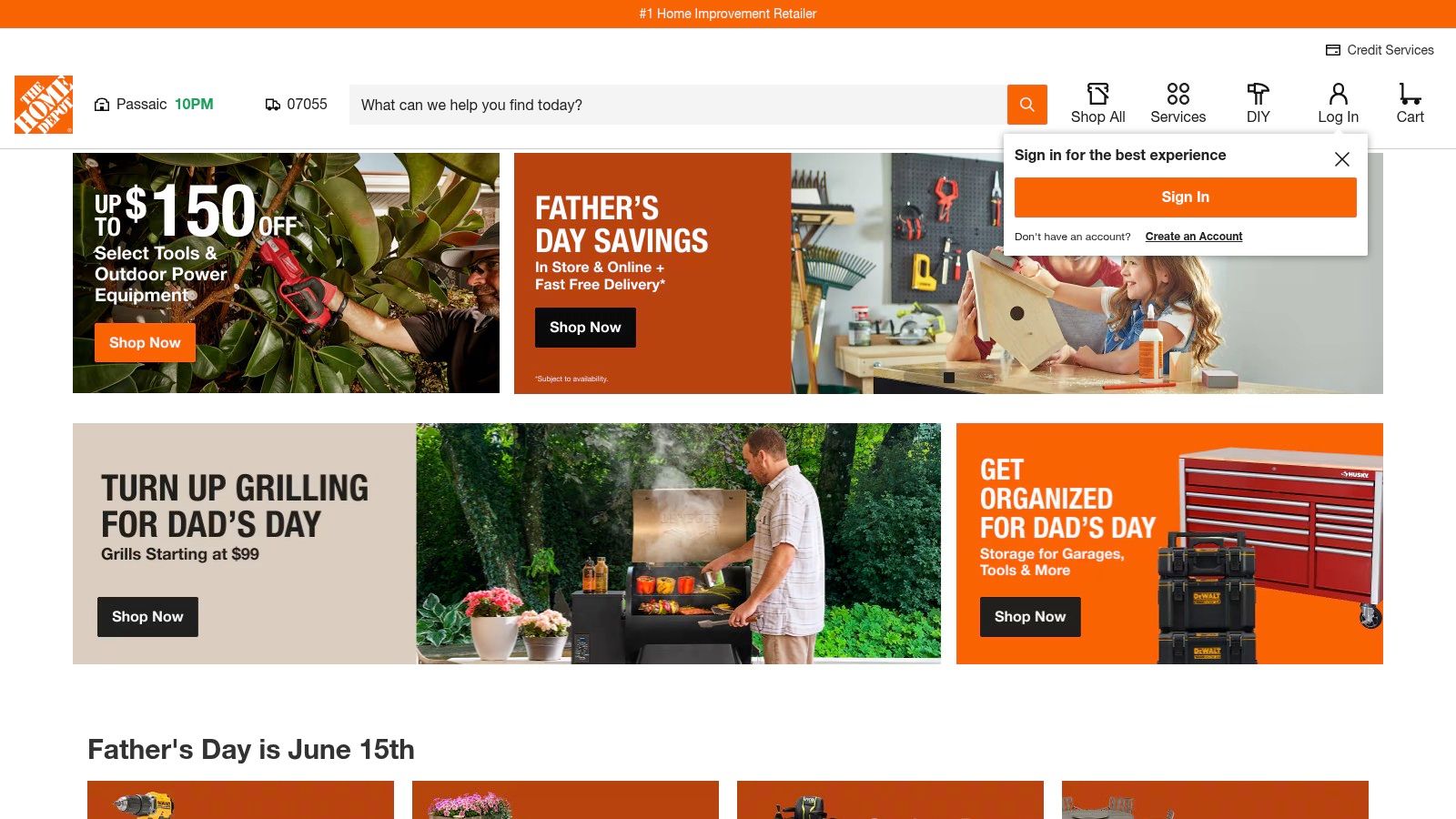
For businesses exploring cryptocurrency payment options, Home Depot's approach offers valuable learning points. By leveraging a third-party platform like Flexa, they avoid the direct complexities of managing Bitcoin transactions while still offering the payment option to their customers. This can be a compelling strategy for businesses wanting to cater to the growing Bitcoin community without undertaking a significant overhaul of their existing payment infrastructure. This method also potentially mitigates some of the volatility risks associated with Bitcoin.
The practical applications of Bitcoin payments at Home Depot are numerous. Imagine a contractor using Bitcoin profits to purchase materials for a renovation project, or a homeowner using their Bitcoin holdings to upgrade appliances. This real-world utility is a key driver of Bitcoin adoption and demonstrates its potential as a viable payment method. This inclusion in the list of businesses that accept Bitcoin underscores the increasing acceptance of cryptocurrencies in mainstream commerce.
However, it's crucial to understand the nuances and limitations of the current system. While Home Depot accepts Bitcoin, it isn't a direct integration. Customers must use the Spedn app to make Bitcoin payments. This adds an extra step to the checkout process and might be a barrier for some users. Furthermore, Bitcoin acceptance is not universal across all Home Depot stores. It's vital to confirm whether your local store participates before attempting to pay with Bitcoin. Information on participating locations can typically be found through the Spedn app or by contacting Home Depot customer service. Additionally, there might be limitations on the amount that can be spent per transaction using Bitcoin through Spedn. These limits are subject to change and should be confirmed within the Spedn app.
Another important consideration is the complexity of returns and refunds when using cryptocurrency. Standard return policies may not apply seamlessly to Bitcoin transactions, and the process can be more intricate than traditional payment methods. It’s advisable to clarify the return policy for cryptocurrency payments with store personnel before making a purchase. This is a crucial point for any business considering implementing cryptocurrency payments.
Despite these limitations, Home Depot's embrace of Bitcoin marks a significant step forward for cryptocurrency adoption. It offers a practical use case for Bitcoin holders and provides valuable insights for businesses considering incorporating cryptocurrency payments. The pros, including a vast product selection, a large network of physical stores, contractor services, and competitive pricing, are amplified by the addition of Bitcoin as a payment option. However, the cons – the requirement of the Spedn app, limited availability, purchase limitations, and the complexities of returns – should be carefully considered.
For eCommerce merchants and other businesses, Home Depot’s approach illustrates a possible pathway for integrating Bitcoin without a complete restructuring of payment systems. Using a third-party platform like Flexa allows businesses to offer the payment option while mitigating some of the technical and logistical challenges associated with direct Bitcoin handling. This allows businesses to tap into the "what businesses accept bitcoin" search queries, attracting tech-savvy customers. For Bitcoin supporters and the wider community, it represents a tangible step towards mainstream adoption and the normalization of cryptocurrency in everyday transactions. You can explore Home Depot's product range and learn more about their services by visiting their website: https://www.homedepot.com
8. Starbucks
For many, a daily ritual involves a trip to Starbucks for their caffeine fix. Now, that ritual can incorporate Bitcoin, albeit indirectly. While Starbucks doesn't directly accept Bitcoin as payment at its registers, it offers a clever workaround through its integration with the Bakkt app. This partnership bridges the gap between traditional finance and cryptocurrency, enabling Bitcoin holders to use their digital assets for their favorite Starbucks purchases. This integration makes Starbucks a notable entry on the list of businesses that effectively accept Bitcoin, broadening access for those looking to utilize cryptocurrency in their everyday lives. This method offers a practical solution for crypto enthusiasts looking to integrate digital assets into their daily spending while providing Starbucks with access to a growing demographic of tech-savvy consumers.

How does it work? The Bakkt app acts as a digital wallet that allows users to convert their Bitcoin holdings into US dollars. These converted dollars are then loaded onto the Starbucks app as a payment method. Essentially, you're using Bitcoin as a funding source for your Starbucks account, indirectly using it to pay for your lattes, cappuccinos, and everything else Starbucks offers. This method sidesteps the technical challenges of direct Bitcoin acceptance at the point of sale, while still providing a relatively seamless experience for the customer.
The range of purchases you can make using this method is extensive. Just as you would with any other payment method on the Starbucks app, you can buy coffee and other beverages, food items, snacks, merchandise like mugs and tumblers, and even gift cards. You can also continue to earn and redeem Starbucks Rewards points, making this integration even more attractive for regular Starbucks customers.
For businesses exploring Bitcoin acceptance, the Starbucks model presents an interesting case study. While requiring an intermediary app adds a layer of complexity, it allows businesses to tap into the Bitcoin market without having to directly handle the cryptocurrency. This approach minimizes the volatility risk associated with holding Bitcoin and simplifies the accounting process. This is particularly relevant for businesses operating in countries with unclear regulatory frameworks around cryptocurrency.
Here's a closer look at the pros and cons of using Bitcoin at Starbucks via Bakkt:
Pros:
- Massive Global Presence: With over 30,000 locations worldwide, Starbucks' accessibility makes this integration particularly useful for Bitcoin holders.
- Convenient Mobile Payment Integration: The process leverages the existing, familiar Starbucks app, enhancing convenience for users.
- Popular Rewards Program Compatibility: The ability to continue earning and redeeming Starbucks Rewards is a significant advantage for loyal customers.
- Consistent Product Quality Worldwide: No matter where you are, you can expect the same Starbucks experience.
Cons:
- Indirect Bitcoin Acceptance through Conversion: This isn't true Bitcoin acceptance, as it requires conversion to USD.
- Requires Specific App Usage: You need both the Bakkt app and the Starbucks app to utilize this feature.
- Limited to Bakkt Platform: This method is exclusive to the Bakkt platform, limiting flexibility for users of other crypto wallets.
- Conversion Fees May Apply: Be aware of potential fees associated with converting Bitcoin to USD within the Bakkt app.
While the Starbucks-Bakkt integration isn't a direct Bitcoin payment solution, it represents a significant step towards wider cryptocurrency adoption. It provides a practical use case for Bitcoin holders, allowing them to integrate their digital assets into their daily routines. For businesses observing the evolving landscape of digital payments, this model offers valuable insights into potential strategies for incorporating cryptocurrencies without the complexities of direct on-chain transactions. For the consumer, it adds another layer of convenience to the already streamlined Starbucks experience. While there are some drawbacks, such as the reliance on a third-party app and the conversion process, the benefits of accessibility and integration with the existing Starbucks Rewards program make this a compelling option for Bitcoin users looking to enjoy their favorite coffee. Visit the Starbucks website for more information on their products and services.
9. PayPal
For businesses exploring how to tap into the growing cryptocurrency market, PayPal offers a streamlined solution. While not a direct Bitcoin payment processor in the traditional sense, PayPal allows businesses already accepting PayPal payments to indirectly accept Bitcoin from customers. This provides a convenient bridge between traditional finance and the world of cryptocurrency, opening doors to a broader customer base. This approach makes PayPal a valuable tool for businesses looking to accept Bitcoin without the technical complexities of managing cryptocurrency directly. Asking "what businesses accept bitcoin?" Well, if they accept PayPal, they indirectly accept Bitcoin through this method.
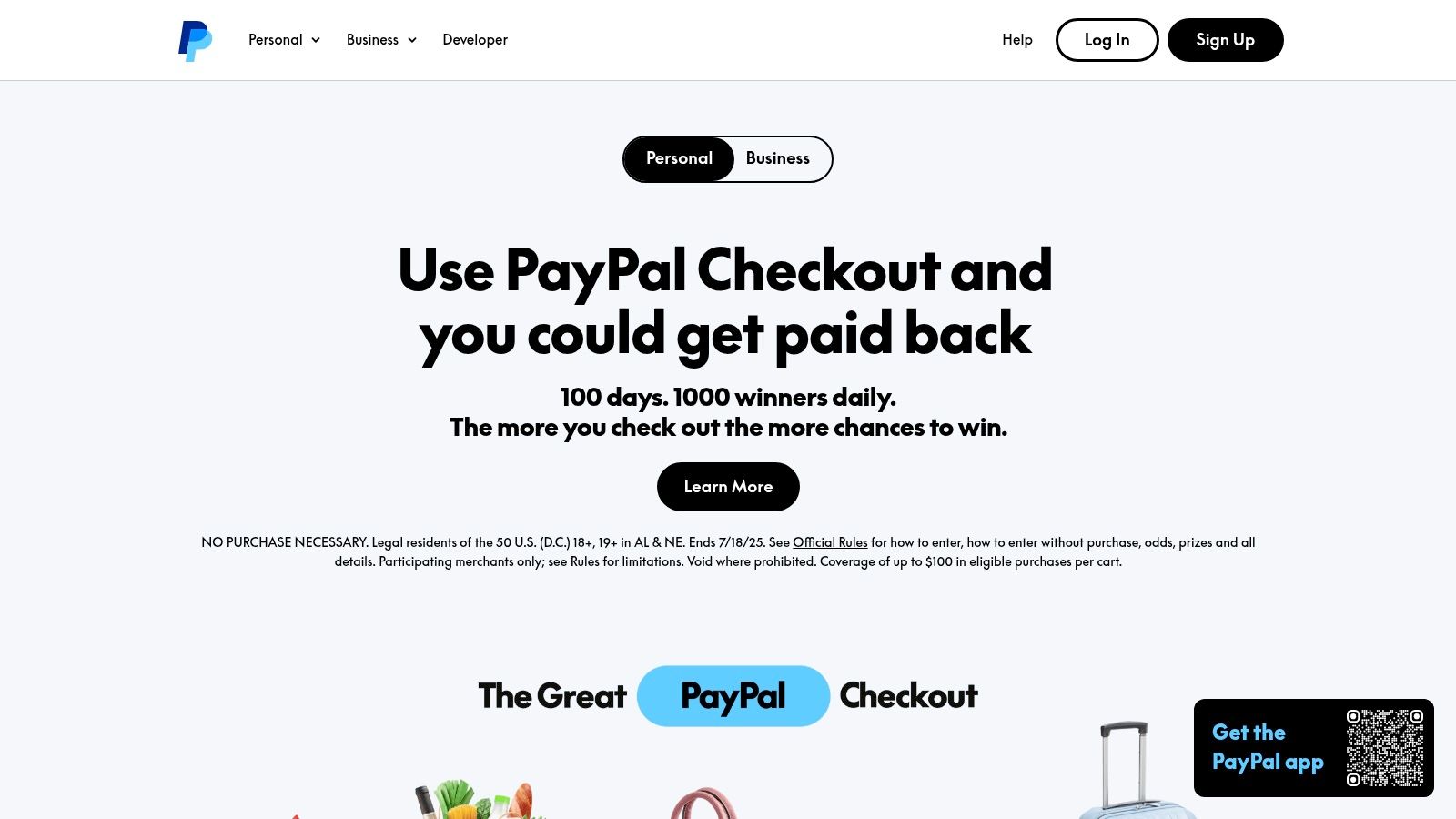
PayPal's integration with Bitcoin gives customers the option to pay with their Bitcoin holdings during checkout, wherever PayPal is accepted. The key here is that the merchant receives the payment in their local currency, not Bitcoin. PayPal handles the behind-the-scenes conversion, eliminating the volatility risk for the business. This simplifies the process considerably, as the merchant doesn't need to worry about setting up Bitcoin wallets, managing private keys, or dealing with price fluctuations. Essentially, PayPal acts as an intermediary, converting the customer’s Bitcoin into the merchant’s chosen currency at the time of the transaction.
This system benefits a wide range of businesses, from e-commerce platforms and SaaS providers to brick-and-mortar stores that utilize PayPal's point-of-sale systems. Non-profits and charities can also leverage this feature to accept Bitcoin donations through their existing PayPal donation buttons. For digital content creators and online educators, this provides another convenient payment option for subscribers and students. For Bitcoin supporters, it offers more opportunities to use their cryptocurrency for everyday purchases, further driving Bitcoin adoption.
Features:
- Buy, Hold, and Sell Bitcoin: Users can manage their Bitcoin holdings directly within their PayPal accounts.
- Checkout with Crypto: Customers can select Bitcoin as a payment method at millions of online retailers that accept PayPal.
- Venmo Integration: PayPal's integration with Venmo extends the crypto functionality, allowing users to buy, hold, and sell Bitcoin on Venmo as well.
- Educational Resources: PayPal provides educational resources on cryptocurrency to help users understand the basics.
Pros:
- Massive Merchant Network Access: Leverages PayPal's existing vast network, giving businesses access to a large customer base.
- User-Friendly Interface: Simplified process for both businesses and customers, especially for those new to cryptocurrency.
- Established Trust and Security: Benefits from PayPal's reputation for security and reliable transaction processing.
- No Separate Crypto Wallet Required: Streamlines the process by eliminating the need for external wallets.
Cons:
- No True Bitcoin Ownership: Users don't have direct control over their Bitcoin and cannot transfer it to external wallets. This limits its utility for those who want to actively participate in the broader Bitcoin ecosystem.
- Limited Cryptocurrency Selection: Currently, PayPal supports a limited range of cryptocurrencies, which might not cater to users interested in altcoins.
- Conversion Fees: Transactions involve conversion fees, which can vary depending on the amount and currency being converted. Businesses should factor these fees into their pricing strategy.
- Not a Direct Bitcoin Payment Solution: This is not a solution for businesses specifically wanting to hold Bitcoin. It's a way to accept Bitcoin payments but receive fiat currency.
Implementation and Setup:
For businesses already accepting PayPal, there is no additional setup required to indirectly accept Bitcoin through this method. The option will automatically be available to customers who have linked their Bitcoin holdings to their PayPal accounts.
Comparison with Similar Tools:
While other payment processors like BitPay offer direct Bitcoin payment acceptance and settlement, PayPal's approach caters to a different need. Businesses prioritizing ease of integration and avoiding cryptocurrency volatility will find PayPal's solution more appealing. Those wanting to embrace Bitcoin more fully and potentially hold it as an asset will likely prefer dedicated cryptocurrency payment gateways.
Website: https://www.paypal.com
In conclusion, PayPal’s approach to Bitcoin acceptance provides a practical and accessible on-ramp for businesses wanting to explore the cryptocurrency landscape without the technical hurdles. By leveraging the existing PayPal infrastructure, businesses can tap into a growing market of Bitcoin users while maintaining the familiarity and convenience of traditional payment processing. While it's not a true Bitcoin payment gateway, it offers a valuable compromise for businesses answering the question, "what businesses accept bitcoin?" by providing a convenient and user-friendly way to indirectly accept Bitcoin payments.
10. Tesla
Tesla, the electric vehicle (EV) manufacturer synonymous with innovation and disruption, holds a unique position in the landscape of businesses that accept Bitcoin. While their current policy regarding Bitcoin payments for vehicles remains suspended, their historical involvement and continued holding of the cryptocurrency makes them a significant player in the conversation about what businesses accept Bitcoin. Their foray into accepting Bitcoin, albeit briefly, propelled the digital currency further into the mainstream and demonstrated the potential for large-scale adoption by established corporations. This, combined with their continued involvement in the crypto space, warrants their inclusion on this list.
In early 2021, Tesla CEO Elon Musk announced that the company would accept Bitcoin as payment for its electric vehicles. This move sent ripples throughout the automotive and financial industries, signaling a potential paradigm shift in how consumers could purchase high-value goods. This decision contributed to a surge in Bitcoin's price and further cemented its legitimacy in the eyes of many. Imagine purchasing a cutting-edge electric vehicle with a cutting-edge digital currency – the synergy was undeniable. For a brief period, it was a reality.
Tesla's acceptance of Bitcoin went beyond just vehicle purchases. Customers could also use the cryptocurrency to purchase other Tesla products, such as solar panels, energy storage solutions (Powerwall), and various merchandise. This provided a wider range of options for Bitcoin holders looking to engage with the Tesla ecosystem. While the prices for Tesla products are generally considered premium, the option to pay with Bitcoin offered a new level of flexibility and accessibility for a technologically savvy customer base.
However, just a few months after implementing Bitcoin payments, Tesla suspended the option, citing concerns about the environmental impact of Bitcoin mining. This decision sparked debate and highlighted the complexities surrounding the environmental sustainability of cryptocurrencies. While Tesla maintained its commitment to exploring more sustainable mining practices, the suspension of Bitcoin payments left many in the Bitcoin community disappointed. The future of Bitcoin payments at Tesla remains uncertain, with no official announcements regarding reinstatement.
Despite the suspended vehicle payments, Tesla's foray into Bitcoin acceptance had a lasting impact. The company's actions demonstrated to other businesses that accepting Bitcoin was not just a fringe concept but a viable option for mainstream commerce. This paved the way for other companies to explore accepting Bitcoin and other cryptocurrencies. Moreover, Tesla’s continued holding of Bitcoin on its balance sheet underscores a belief in the long-term potential of the cryptocurrency.
For businesses considering accepting Bitcoin, Tesla's experience provides valuable lessons. It highlights the importance of thoroughly evaluating the environmental implications of cryptocurrency transactions and the need for a clear and transparent policy regarding cryptocurrency payments. Furthermore, it emphasizes the importance of adapting to the evolving regulatory landscape and technological advancements in the cryptocurrency space.
Compared to other car manufacturers, Tesla’s brief acceptance of Bitcoin set them apart. While some luxury car dealerships have experimented with accepting Bitcoin on a limited basis, no other major manufacturer embraced it as directly as Tesla did, albeit temporarily. This bold move, while short-lived, solidified Tesla's position as a forward-thinking and innovative company willing to explore new technologies.
Pros of Tesla's involvement with Bitcoin:
- Innovative technology company pushing boundaries in both the automotive and financial sectors.
- High-profile Bitcoin advocacy that raised awareness and legitimacy of the cryptocurrency.
- Premium electric vehicle options and a diverse product ecosystem.
- Strong brand recognition and customer loyalty.
Cons of Tesla's current Bitcoin policy:
- Suspended Bitcoin payments for vehicles, creating uncertainty for potential customers.
- High product prices, limiting accessibility for some consumers.
- Limited service center network compared to traditional automakers.
- Uncertain future regarding cryptocurrency payment policy.
For more information on Tesla and their products, visit https://www.tesla.com. While their current stance on Bitcoin payments for vehicles remains in flux, their influence on the intersection of business and cryptocurrency is undeniable. Their story serves as a reminder of both the potential and the challenges associated with integrating Bitcoin into existing business models. It also highlights the importance of staying informed about the evolving landscape of cryptocurrency regulations and technological advancements.
Top 10 Businesses Accepting Bitcoin Comparison
| Company | Core Features/Offerings | User Experience & Quality ★★★★☆ | Value Proposition 💰 | Target Audience 👥 | Unique Selling Points ✨ |
|---|---|---|---|---|---|
| Microsoft | Bitcoin for digital products & games | ★★★★☆ Established support, easy balance | 💰 Digital goods focus, stable platform | 👥 Gamers, app users | 🏆 First major tech to accept Bitcoin |
| Overstock.com | Wide catalog: furniture, electronics, apparel | ★★★★ Frequent sales, crypto-friendly | 💰 Competitive pricing, promo discounts | 👥 General retail shoppers | ✨ Early Bitcoin retail adopter |
| AT&T | Bill payments (mobile, internet, TV) | ★★★★ Reliable telecom payment system | 💰 Pay essential service bills with BTC | 👥 Telecom customers | 🏆 First major US carrier accepting BTC |
| Expedia | Bitcoin hotel bookings only | ★★★★ User-friendly, 24/7 support | 💰 Competitive travel rates | 👥 Travelers booking accommodations | ✨ Global hotel network + loyalty integration |
| Newegg | Electronics, PC hardware, mining gear | ★★★★ Fast shipping, niche tech focus | 💰 Competitive pricing on electronics | 👥 Tech enthusiasts, miners | 🏆 Strong PC builder reputation |
| Whole Foods | Groceries via Spedn app | ★★★★ High-quality organic products | 💰 Premium groceries via crypto | 👥 Organic & health-conscious shoppers | ✨ Mobile crypto payments in-store |
| Home Depot | Home improvement, tools, appliances | ★★★★ Wide store network, pro services | 💰 Competitive pricing on project supplies | 👥 DIYers, contractors | ✨ Bitcoin via Flexa & Spedn apps |
| Starbucks | Coffee & food via Bakkt app | ★★★★ Global presence, rewards program | 💰 Seamless crypto-to-dollar use | 👥 Coffee lovers, app users | ✨ Indirect bitcoin acceptance |
| PayPal | Buy/hold/spend Bitcoin via PayPal network | ★★★★ Easy for beginners, huge merchant base | 💰 Wide crypto checkout availability | 👥 Mainstream online shoppers | 🏆 Crypto without separate wallet |
| Tesla | EVs, energy products (Bitcoin payments suspended) | ★★★★ Premium brand, high loyalty | 💰 High price, limited BTC payment use | 👥 EV buyers, tech aficionados | ✨ High-profile Bitcoin advocacy |
The Future of Spending with Bitcoin
From tech giants like Microsoft and AT&T to everyday retailers like Home Depot and Starbucks, the range of businesses that accept Bitcoin is expanding rapidly. This article highlighted key players such as Overstock.com, Expedia, Newegg, Whole Foods Market, PayPal, and even Tesla, demonstrating the diverse sectors embracing this digital currency. A key takeaway is that understanding what businesses accept Bitcoin empowers you to utilize your Bitcoin holdings more effectively. Whether you’re a Bitcoin supporter, a merchant looking to expand payment options, or simply curious about the growing Bitcoin community, staying informed about Bitcoin adoption is crucial.
When considering integrating Bitcoin payments into your business, it’s essential to choose the right tools. Factors like transaction fees, ease of integration, and security should be top priorities. Tools like cryptocurrency payment gateways can simplify the process considerably.
The growing list of businesses accepting Bitcoin signifies a shift towards broader cryptocurrency adoption. As more businesses recognize the potential benefits, Bitcoin’s role in the global economy is likely to continue its upward trajectory. Want to seamlessly integrate Bitcoin payments into your business and join the growing list of those accepting this innovative currency? Explore Flash today and discover how it can simplify Bitcoin transactions for your business. Flash offers a streamlined solution for accepting Bitcoin, allowing you to attract new customers and stay ahead of the curve.